Washington state school phone limits: Navigating the rules
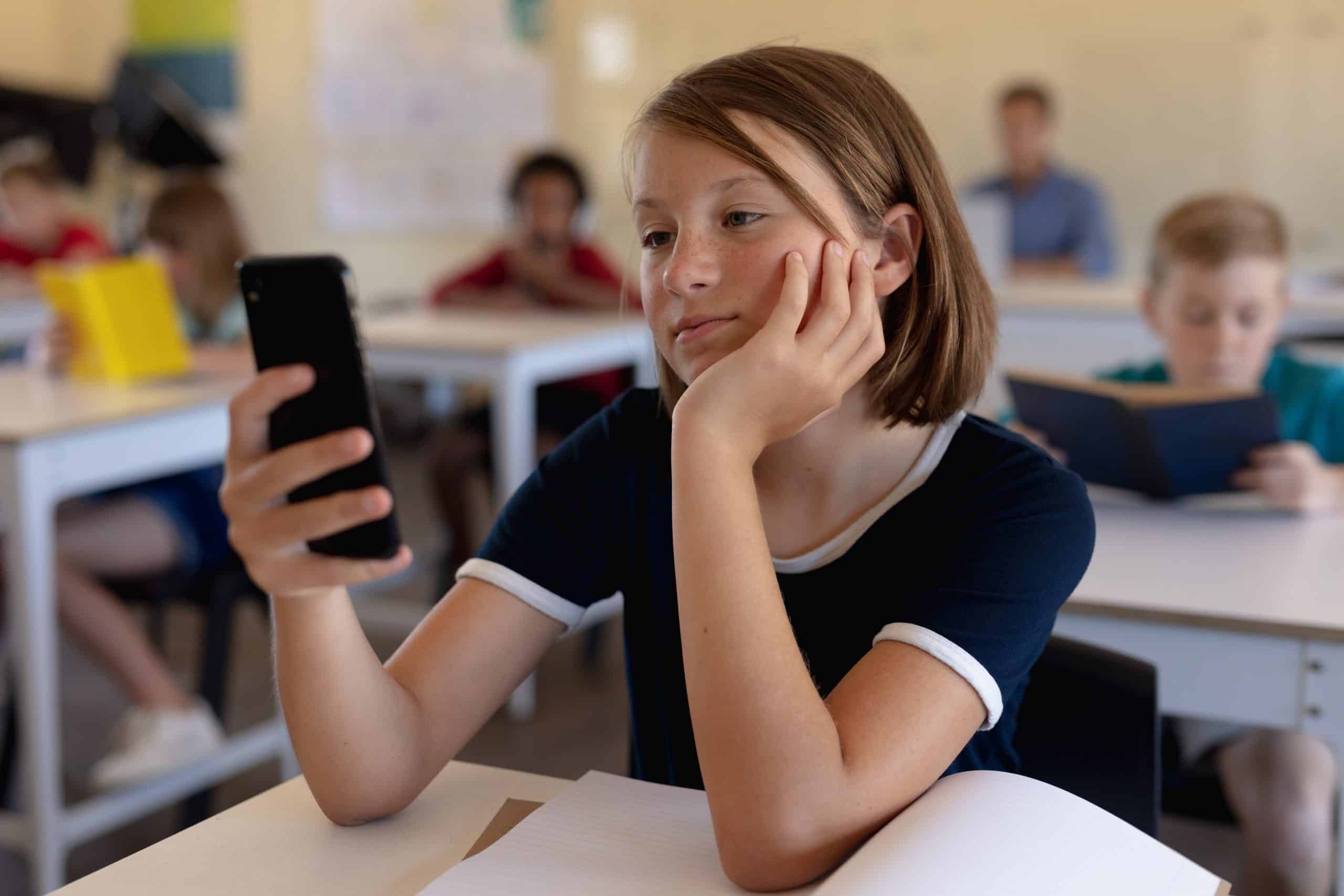
Washington state school phone limits are designed to reduce distractions, enhance student focus, and improve academic performance, while balancing the need for social interaction among students.
Washington state school phone limits have sparked significant discussions among parents, educators, and students.
How are these changes influencing the learning environment and student focus? Let’s explore the implications together.
Understanding the phone policies in Washington schools
Understanding the phone policies in Washington schools is key to navigating the current educational landscape.
These policies aim to enhance student focus and create a conducive learning environment.
Key aspects of phone policies
Many schools in Washington have implemented strict regulations regarding phone usage.
This helps reduce distractions in the classroom.
Schools enforce these regulations in various ways, leading to different experiences for students.
Enforcement techniques
Schools utilize several effective methods to ensure compliance:
- Collecting phones at the start of the day
- Implementing designated phone-free zones
- Using technology to monitor usage
These strategies help maintain an academic atmosphere.
Some students adapt better than others, finding new ways to engage without phones.
Creating an engaging classroom
By limiting phone use, teachers can promote active participation.
Engaged students are more likely to excel academically. The goal is to strike a balance between connectivity and focus.
Schools encourage rich discussions and collaborative projects that do not require phones.
As a result, students develop better communication skills.
Understanding phone policies in Washington schools can lead to more positive educational outcomes.
When fully aware of the rules, students can adjust their behavior accordingly.
This awareness fosters a responsible attitude toward phone use in educational settings.
The impact of phone limits on student performance
The impact of phone limits on student performance is a crucial topic for educators and parents.
Schools implementing these limits aim to improve focus and academic outcomes.
Positive effects on learning
Research shows that restricting phone usage during school hours can lead to better grades.
When students aren’t distracted by their devices, they tend to participate more actively in class discussions.
- Increased attentiveness during lessons
- Higher completion rates for assignments
- Improved test scores and overall academic performance
As students engage more with their peers and teachers, they develop important social skills.
This interaction fosters a better learning atmosphere.
Challenges of phone restrictions
While there are benefits, some challenges accompany these phone limits.
For instance, students may feel disconnected from their social networks.
They often rely on their phones for communication and support.
Additionally, students have different coping strategies.
Some adapt easily, while others struggle with these abrupt changes.
The transition can be difficult, especially for those who have become accustomed to constant phone access.
Understanding the balance between limiting phone use and maintaining social connections is vital.
Schools must communicate these policies clearly, ensuring students feel supported in their academic journeys.

How schools enforce phone usage rules
Schools enforce phone usage rules in various effective ways.
These methods aim to create a focused learning environment while respecting student needs.
Techniques for enforcement
Many schools adopt clear strategies to manage phone usage:
- Clear communication of policies to students and parents
- Designated phone-free areas within the school
- Use of school-issued devices to limit personal phone use
By setting clear expectations, schools help students understand the importance of staying focused during classes.
This approach empowers students to take responsibility for their actions.
Positive reinforcement
In addition to rules, some schools encourage positive behavior.
For example, they may reward students who adhere to phone policies. Rewards can include:
- Recognizing students in announcements
- Offering privileges like extra time for lunch
- Creating incentives for classroom participation
These strategies promote a healthy classroom atmosphere.
When students feel rewarded for good behavior, they are more likely to comply with the rules.
Some schools also involve parents in enforcing rules. This partnership supports students while they adapt to restrictions.
Regular communication can help parents reinforce the importance of these limits at home.
Ultimately, understanding how schools enforce phone usage rules benefits everyone involved.
Alternatives to smartphones during school hours
Finding alternatives to smartphones during school hours is important for creating a focused learning environment.
Schools are exploring various options to keep students engaged without relying on personal devices.
Educational tools
One effective strategy is to use educational tools instead of smartphones. Schools can provide:
- Tablets or school-issued laptops that are designed for learning
- Interactive smartboards that allow for collaborative work
- Learning management systems to organize assignments and resources
These tools can help streamline learning while minimizing distractions.
When students have access to the right technology, they can stay engaged with their studies.
Encouraging physical activities
Another alternative involves incorporating more physical activities.
Engaging in group exercises can help students build teamwork skills while reducing screen time. Activities may include:
- Outdoor sports during recess
- Fitness classes during physical education
- Team-building exercises to enhance collaboration
These activities not only keep students active but also encourage healthy social interactions away from screens.
As schools rethink phone policies, they also open doors to a variety of creative alternatives.
Consideration of arts and crafts can provide another excellent option.
Encouraging students to express their creativity through drawing, painting, or other hands-on projects keeps them engaged.
This approach allows students to work together creatively, sparking ideas and building skills.
Alternatives to smartphones can transform the classroom experience, making it more dynamic and interactive.

Community reactions to phone restrictions
Community reactions to phone restrictions in schools vary widely, reflecting differing perspectives among parents, students, and educators.
Understanding these reactions can help shape effective policies.
Support from parents
Many parents support phone restrictions. They believe that limiting phone access can enhance student focus and academic performance.
Parents often express concerns about distractions caused by smartphones.
They appreciate policies that encourage their children to engage more actively in learning.
- Less time spent on social media during school hours
- Increased participation in classroom activities
- Improved grades and overall performance
Such feedback promotes a stronger sense of community as parents and schools work together for student success.
Student perspectives
On the other hand, students have mixed feelings about these restrictions.
While some appreciate the chance to focus more on their studies, others feel disconnected from their social networks.
Students often express frustrations, especially during breaks.
They may miss the opportunity to communicate with friends easily.
Many students rely on smartphones for social interactions and emotional support.
Balancing academic needs with these social desires can be challenging.
Educator views
Teachers and school administrators generally support phone limitations for the learning environment.
They recognize the benefits of creating a distraction-free space.
However, educators must consider student feelings and adapt policies as needed.
Encouraging feedback from both students and parents can foster a collaborative atmosphere within the school community.
Understanding these different viewpoints can lead to a more inclusive approach.
In summary, understanding the various perspectives on phone restrictions in schools is essential for creating effective policies.
Parents generally support these rules, believing they help improve student focus and academic performance.
However, students sometimes struggle with the loss of social connectivity during school hours.
Educators advocate for a distraction-free learning environment but must balance this with understanding student needs.
Engaging all parties involved fosters a collaborative atmosphere that can enhance educational outcomes.
By appreciating different viewpoints, schools can adapt their strategies to better support both academic and social growth.
FAQ – Understanding Washington state school phone limits
Why are phone restrictions implemented in schools?
Phone restrictions aim to reduce distractions and improve student focus during class.
How do parents feel about phone restrictions?
Many parents support these restrictions, believing they enhance academic performance and classroom engagement.
What challenges do students face with phone limits?
Students may feel disconnected from their friends and social networks, which can be difficult during school hours.
What are some alternatives to phone use during school?
Schools can use educational tools, encourage physical activities, and promote creative projects to engage students without smartphones.