Power of Compounding: Grow Investments 7% Annually by 2026

Advertisements
Latest developments on The Power of Compounding: How to Grow Your Investments by 7% Annually Starting in 2026 (FINANCIAL IMPACT), with key facts, verified sources and what readers need to monitor next in Estados Unidos, presented clearly in Inglês (Estados Unidos) (en-US).
The Power of Compounding: How to Grow Your Investments by 7% Annually Starting in 2026 (FINANCIAL IMPACT) is shaping today’s agenda with new details released by financial experts and market analysts. This update prioritizes what changed, why it matters, and what to watch next, in a straightforward news format.
Understanding the mechanics of compounding is essential for anyone looking to build substantial wealth over time. The goal of achieving a 7% annual return, while ambitious, is attainable with informed strategies and consistent application.
Unlocking the Power of Compounding for Financial Growth
The concept of the power of compounding is often hailed as the eighth wonder of the world by financial gurus. It refers to the process where the returns on an investment are reinvested, generating additional returns on both the initial principal and the accumulated interest.
This exponential growth trajectory is what allows small, consistent investments to transform into significant wealth over extended periods. For investors targeting a 7% annual return, understanding this mechanism is the first crucial step towards achieving their financial objectives, particularly as we look towards 2026 and beyond.
The financial impact of compounding cannot be overstated; it fundamentally alters the landscape of long-term wealth accumulation. By consistently reinvesting earnings, investors can harness this potent force to accelerate their financial journey.
Defining the Mechanics of Compounding
Compounding works by taking the interest earned on an investment and adding it back to the principal amount. This new, larger principal then earns interest, and the cycle continues, leading to an ever-increasing rate of return on the original investment.
The longer the investment horizon, the more significant the effect of compounding becomes, making time a crucial ally for investors. Even modest initial investments can grow substantially over decades when subjected to consistent compounding.
This principle is fundamental to nearly all successful long-term investment strategies. It underscores the importance of starting early and maintaining a disciplined approach to reinvestment.
The Role of Time and Rate of Return
Two primary factors dictate the effectiveness of compounding: the interest rate and the duration of the investment. A higher annual return, such as the targeted 7%, significantly accelerates wealth accumulation.
However, time is arguably the most powerful variable; an investment compounded over 30 years will yield far greater results than the same investment compounded over 10 years, even with identical rates. This emphasizes the urgency of starting early to maximize the benefits of compounding.
Investors aiming for a 7% annual return need to consider both these elements carefully. Balancing risk with potential reward is key to selecting appropriate investments that can consistently deliver such returns over the long haul.
Setting a 7% Annual Growth Target by 2026
Achieving a 7% annual growth rate on investments starting in 2026 is an ambitious yet realistic goal for many. This target necessitates careful planning, strategic asset allocation, and a deep understanding of market dynamics.
The financial impact of reaching this growth rate can be transformative, providing a clear pathway to significant wealth accumulation. It requires investors to move beyond passive savings and embrace more proactive investment approaches.
This section explores the practicality of this target and the foundational steps required to pursue it effectively. It’s about setting a benchmark and then building a robust strategy to meet it.
Realistic Expectations and Market Volatility
While a 7% annual return is a compelling target, it’s crucial to approach it with realistic expectations, acknowledging inherent market volatility. Investment markets do not move in a straight line; there will be periods of both growth and decline.
The 7% target often represents an average annual return over an extended period, smoothing out the short-term fluctuations. Investors must be prepared for these ups and downs and avoid making impulsive decisions based on temporary market movements.
Maintaining a long-term perspective is vital when aiming for consistent average returns. Patience and discipline are as important as the investment choices themselves.
Diversification: A Cornerstone of Consistent Returns

Diversification is paramount to achieving a consistent 7% annual growth rate while managing risk. Spreading investments across various asset classes, industries, and geographies can help mitigate the impact of underperforming sectors.
A well-diversified portfolio might include a mix of stocks, bonds, real estate, and potentially alternative investments. The specific allocation will depend on an individual’s risk tolerance, financial goals, and investment horizon.
By reducing reliance on any single investment, diversification enhances the likelihood of achieving stable, long-term returns, making the power of compounding more reliable.
Strategic Investment Approaches for 7% Annual Returns
To consistently achieve a 7% annual return, investors must adopt strategic approaches that align with their financial objectives and risk profile. This involves more than just selecting a few stocks; it requires a holistic investment philosophy.
From understanding different asset classes to leveraging tax-advantaged accounts, every decision contributes to the overall growth trajectory. The financial impact of these choices compounds over time, making early and informed decisions critical.
This section delves into specific strategies that can help investors pursue their 7% annual growth target. It’s about building a resilient and effective investment framework.
Equity Investments and Growth Stocks
For many investors aiming for a 7% annual return, equity investments, particularly in growth-oriented companies, will form a significant part of their portfolio. Historically, stocks have provided higher returns than other asset classes over the long term, albeit with higher volatility.
Investing in companies with strong growth prospects, innovative business models, and robust market positions can provide the capital appreciation necessary to meet the 7% target. However, thorough research and due diligence are essential to identify such opportunities.
It’s important to balance growth stocks with more stable, dividend-paying stocks to create a well-rounded equity portfolio that leverages the power of compounding through both capital gains and reinvested dividends.
Fixed Income and Alternative Investments
While equities are crucial for growth, fixed-income investments like bonds play a vital role in portfolio stability and risk management. Although they typically offer lower returns, they can provide a steady income stream and buffer against stock market downturns.
For those seeking higher returns or further diversification, alternative investments such as real estate, private equity, or commodities might be considered. These can offer different risk-return profiles and potentially enhance overall portfolio performance.
Careful consideration of how these asset classes interact is key to building a balanced portfolio capable of consistently generating a 7% annual return. The goal is to optimize for both growth and stability.
Leveraging Tax-Advantaged Accounts and Reinvestment
Maximizing the power of compounding involves more than just choosing the right investments; it also requires optimizing the investment environment. Tax-advantaged accounts are critical tools in this regard, as they allow investments to grow unhindered by annual taxation.
Reinvestment of all dividends and capital gains is another non-negotiable component of effective compounding. Every dollar earned should be put back to work, generating further returns.
The financial impact of these strategies is substantial, allowing wealth to accumulate at a much faster pace. Understanding and utilizing these vehicles is essential for any investor aiming for a 7% annual growth rate.
The Benefits of IRAs and 401(k)s
Individual Retirement Accounts (IRAs) and 401(k)s are cornerstone examples of tax-advantaged accounts designed to foster long-term savings. Contributions to traditional IRAs and 401(k)s are often tax-deductible, and investments grow tax-deferred until retirement.
Roth IRAs and Roth 401(k)s, on the other hand, allow for tax-free withdrawals in retirement, provided certain conditions are met. Both types shield investment growth from immediate taxation, significantly enhancing the compounding effect.
Utilizing these accounts to their fullest capacity, especially by contributing the maximum allowable amounts, can dramatically accelerate wealth accumulation towards a 7% annual return target.
Automating Reinvestment for Optimal Growth
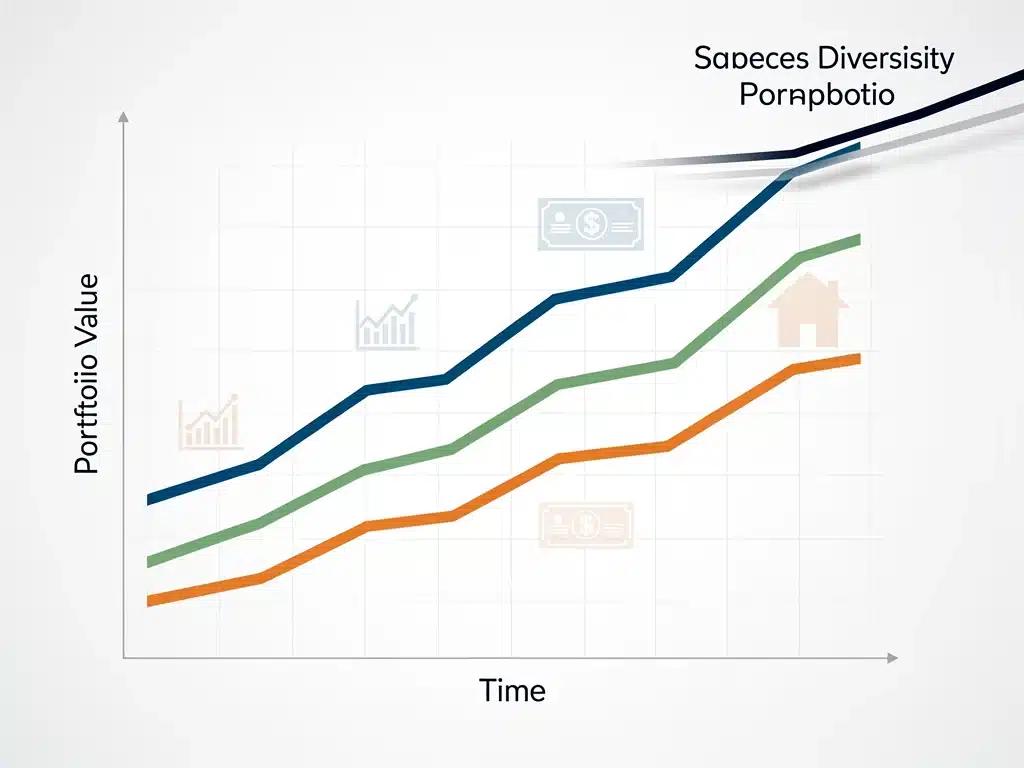
Automating the reinvestment of dividends, interest, and capital gains is a simple yet incredibly powerful strategy to harness the power of compounding. Many brokerage accounts offer automatic dividend reinvestment plans (DRIPs), which seamlessly put earnings back into the same investments.
This hands-off approach ensures that every penny earned is immediately put to work, buying more shares or units and thus expanding the base upon which future returns are generated. It removes the temptation to spend these earnings and keeps the compounding engine running continuously.
Consistent reinvestment, coupled with regular contributions, forms the bedrock of achieving and sustaining a 7% annual growth rate over the long term.
Monitoring and Adjusting Your Investment Strategy
Achieving a 7% annual growth rate starting in 2026 is not a set-it-and-forget-it endeavor. It requires continuous monitoring, periodic review, and strategic adjustments to your investment portfolio. Market conditions, economic outlooks, and personal financial situations evolve, necessitating flexibility.
The financial impact of failing to adapt can be significant, potentially derailing your long-term goals. Therefore, regular portfolio check-ups are as important as the initial investment decisions themselves.
This section highlights the importance of active management and the factors to consider when evaluating and modifying your investment strategy to sustain the power of compounding.
Regular Portfolio Reviews and Rebalancing
Conducting regular portfolio reviews, typically annually or semi-annually, is crucial. This process involves assessing whether your asset allocation still aligns with your risk tolerance and financial goals, especially in pursuit of a 7% annual return.
Rebalancing is the act of adjusting your portfolio back to its target asset allocation. For example, if stocks have performed exceptionally well, their proportion in your portfolio might have grown beyond your target; rebalancing would involve selling some stocks and buying other assets to restore the desired balance.
This disciplined approach helps manage risk and ensures that your portfolio remains aligned with your long-term objectives, consistently leveraging the power of compounding.
Adapting to Economic Shifts and Market Trends
The global economic landscape is constantly changing, with new trends and challenges emerging regularly. Successful investors must be aware of these shifts and be prepared to adapt their strategies accordingly to maintain a 7% annual growth rate.
This doesn’t mean constantly trading in and out of positions, but rather understanding how macroeconomic factors, geopolitical events, and technological advancements might influence different asset classes. Staying informed allows for proactive adjustments rather than reactive ones.
Flexibility and a willingness to learn are key attributes for long-term investing success. The ability to pivot when necessary can protect your portfolio and enhance its growth potential.
Understanding Risk Management and Long-Term Vision
Effective risk management is an inseparable component of harnessing the power of compounding, especially when targeting a consistent 7% annual return. High returns often come with higher risks, and mitigating these risks is crucial for sustained growth.
A long-term vision acts as the guiding principle, helping investors navigate short-term market fluctuations without deviating from their overarching financial goals. The financial impact of emotional decision-making can be detrimental to compounding efforts.
This section emphasizes the critical balance between pursuing returns and prudently managing potential downsides. It’s about building a robust and resilient investment journey.
Mitigating Risks to Preserve Capital
Several strategies exist to mitigate investment risks. Diversification, as previously discussed, is fundamental. Additionally, setting clear stop-loss orders, avoiding over-concentration in single assets, and maintaining an emergency fund are essential practices.
Understanding your personal risk tolerance is also vital. Investing in assets that cause you undue stress during market downturns can lead to poor decisions, such as selling at a loss. Aligning your investments with your comfort level is key.
The goal is not to eliminate all risk—which is impossible in investing—but to manage it effectively so that the compounding process can continue uninterrupted over the long term.
The Importance of a Long-Term Investment Horizon
The true magic of the power of compounding unfolds over decades, not months or even a few years. A long-term investment horizon allows ample time for market fluctuations to average out and for consistent growth to take hold.
For those starting in 2026 with a 7% annual growth target, thinking in terms of 10, 20, or even 30 years is paramount. This perspective helps to weather market downturns, seeing them as opportunities rather than setbacks.
Patience and persistence are the virtues that unlock the full potential of compounding, transforming modest beginnings into significant financial security.
The Psychological Aspect of Compounding Success
Beyond the numbers and strategies, the psychological aspect plays a significant role in successfully leveraging the power of compounding. Investor behavior, often influenced by emotions, can either amplify or diminish the financial impact of investment decisions.
Maintaining discipline, resisting the urge to chase fads, and staying committed to a long-term plan are crucial for sustained growth. The journey to achieving a 7% annual return is as much about mindset as it is about market savvy.
This section explores the behavioral elements that underpin successful compounding and offers insights into cultivating a resilient investor psychology. It’s about mastering oneself to master the market.
Overcoming Emotional Biases in Investing
Emotional biases, such as fear and greed, frequently lead investors astray. Fear can cause panic selling during market downturns, locking in losses, while greed can lead to impulsive decisions to chase high-flying assets, often resulting in significant losses when bubbles burst.
Recognizing these biases and developing strategies to counteract them is vital. This might involve setting automated investment plans, avoiding frequent checking of portfolio performance, and adhering strictly to a predefined investment policy.
A calm, rational approach, grounded in a long-term perspective, significantly enhances the likelihood of achieving consistent returns and maximizing the power of compounding.
Consistency and Discipline: The Unsung Heroes
Consistency in contributions and discipline in sticking to an investment plan are arguably the most understated yet powerful drivers of compounding success. Regular, even small, contributions over time accumulate substantially, especially when coupled with a 7% annual return.
Discipline means resisting the temptation to deviate from your strategy during market volatility or when faced with enticing, but risky, short-term opportunities. It’s about trusting the process and the long-term efficacy of compounding.
These behavioral traits ensure that the compounding engine continues to run smoothly, steadily building wealth regardless of external market noise. The financial impact of consistent action is profound.
Future Outlook: Sustaining 7% Annual Growth Post-2026
As we approach 2026 and beyond, sustaining a 7% annual growth rate will require ongoing vigilance and adaptability. The financial landscape is dynamic, influenced by technological advancements, global economic shifts, and evolving regulatory environments.
The power of compounding remains a constant, but the methods to achieve targeted returns may need recalibration. Investors must stay informed and be prepared to adjust their strategies to navigate future challenges and opportunities.
This section considers the long-term sustainability of the 7% target and the factors that will shape investment success in the coming decades. It’s about future-proofing your financial plan.
Emerging Trends and Investment Opportunities
Looking ahead, emerging trends such as artificial intelligence, renewable energy, biotechnology, and developing markets will likely present new investment opportunities. Identifying and strategically allocating capital to these growth sectors could be key to sustaining a 7% annual return.
However, these opportunities often come with their own set of risks, requiring careful research and a balanced approach. Integrating these new avenues into a diversified portfolio can provide fresh impetus for growth.
Staying abreast of these developments and understanding their potential financial impact is crucial for long-term investment success. The power of compounding can be amplified by tapping into future growth drivers.
The Evolving Role of Financial Planning and Advice
The complexity of the financial markets and the pursuit of specific growth targets like 7% annually underscore the evolving role of professional financial planning. Expert advice can provide invaluable guidance in navigating intricate investment landscapes.
Financial advisors can help in crafting personalized investment strategies, optimizing asset allocation, managing risks, and ensuring that your plan remains on track. Their expertise can be particularly beneficial in adapting to changing market conditions.
While self-directed investing is an option, leveraging professional insights can significantly enhance the likelihood of achieving and sustaining your financial goals, ensuring the continued positive financial impact of compounding.
| Key Point | Brief Description |
|---|---|
| Compounding Basics | Reinvesting earnings to generate more returns on principal and accumulated interest. |
| 7% Annual Target | An achievable but ambitious goal requiring strategic planning and consistent execution. |
| Strategic Investing | Diversification, equity focus, and tax-advantaged accounts are crucial. |
| Long-Term Vision | Patience, discipline, and regular monitoring are essential for sustained growth. |
Frequently Asked Questions About Compounding and Investment Growth
The core principle of compounding involves earning returns on your initial investment as well as on the accumulated interest from previous periods. This creates an exponential growth effect, where your money grows at an accelerating rate over time. It is fundamental to long-term wealth accumulation and financial planning.
A 7% annual investment growth rate is generally considered realistic over long periods, especially with a diversified portfolio that includes equities. While not guaranteed yearly, historical market averages suggest this is achievable. It requires strategic investment choices and consistent commitment, adapting to market conditions over time.
Starting early is critically important for maximizing the power of compounding. The longer your money has to grow, the more significant the compounding effect becomes, due to the exponential nature of reinvested returns. Even small, consistent contributions made early can result in substantial wealth over decades.
Tax-advantaged accounts, such as IRAs and 401(k)s, significantly enhance compounding by allowing investments to grow tax-deferred or tax-free. This means that more of your earnings are reinvested, rather than being paid out in taxes annually, accelerating the growth of your principal and ultimately boosting your total returns.
Diversification helps achieve consistent returns by spreading investments across various asset classes, industries, and geographic regions. This strategy reduces the risk associated with any single investment underperforming, thereby stabilizing overall portfolio returns. It is a key method for managing volatility and maintaining a steady growth path for compounding.
What this means
The pursuit of The Power of Compounding: How to Grow Your Investments by 7% Annually Starting in 2026 (FINANCIAL IMPACT) underscores a pivotal shift towards informed and proactive financial planning. This objective requires a blend of strategic asset allocation, diligent reinvestment, and a resilient long-term perspective. As market dynamics evolve, continuous adaptation and adherence to sound investment principles will be paramount for investors aiming to harness compounding’s full potential and secure their financial future.