Comparing Pet Insurance Benefits: Is It Worth It for Your Family in 2026?

Latest developments on Comparing Pet Insurance Benefits: Is It Worth It for Your Family in 2026?, with key facts, verified sources and what readers need to monitor next in Estados Unidos, presented clearly in Inglês (Estados Unidos) (en-US).
Comparing Pet Insurance Benefits: Is It Worth It for Your Family in 2026? is shaping today’s agenda with new details released by officials and industry sources. This update prioritizes what changed, why it matters and what to watch next, in a straightforward news format.
The landscape of pet ownership in the United States continues to evolve, with an increasing emphasis on proactive animal health and well-being. As veterinary care advances, so do its associated costs, prompting many pet parents to consider financial safeguards.
In this context, the question of Pet Insurance Benefits takes center stage, particularly as we look towards 2026. Understanding the nuances of various plans and their real-world value is critical for making informed decisions for your furry family members.
This article delves into the contemporary relevance of Pet Insurance Benefits, examining whether these policies truly offer a worthwhile investment. We will explore the latest trends, coverage options, and key factors to consider when evaluating plans for the coming year.
The Evolving Landscape of Pet Insurance in 2026
The pet insurance market is experiencing significant growth and diversification, driven by technological advancements in veterinary medicine and a deeper human-animal bond. New policy structures and specialized coverages are constantly emerging, making the comparison process more complex yet potentially more rewarding.
By 2026, we anticipate further innovations, including more personalized plans and integrated wellness programs. These changes aim to address a wider range of pet owner needs, from routine preventative care to unexpected emergency treatments, directly impacting the value of Pet Insurance Benefits.
Understanding these shifts is paramount for any family considering pet insurance. The market is no longer a one-size-fits-all solution, requiring careful scrutiny of what each provider offers in terms of comprehensive care and financial protection.
Key Trends Shaping Pet Insurance
Several key trends are influencing the trajectory of pet insurance, making Comparing Pet Insurance Benefits: Is It Worth It for Your Family in 2026? a pertinent query. Technological integration, for instance, allows for faster claims processing and more accessible policy management through digital platforms.
Furthermore, there’s a growing demand for plans that cover alternative therapies and behavioral treatments, reflecting a holistic approach to pet health. This expansion of covered services significantly broadens the scope of what constitutes valuable Pet Insurance Benefits.
- Increased adoption of telemedicine for veterinary consultations, streamlining initial diagnoses and follow-up care.
- Expansion of coverage for pre-existing conditions under specific, often limited, circumstances or after a waiting period.
- Introduction of customizable plans allowing pet owners to select specific coverages that align with their pet’s breed, age, and health history.
- Greater emphasis on wellness packages, offering discounts on routine check-ups, vaccinations, and parasite prevention.
Impact of Veterinary Advancements on Coverage
Breakthroughs in veterinary science, such as advanced surgical techniques, specialized oncology treatments, and sophisticated diagnostic tools, have dramatically improved outcomes for pets. However, these advancements often come with a substantial price tag.
Pet insurance providers are adapting their policies to include these cutting-edge treatments, transforming the definition of comprehensive Pet Insurance Benefits. This means policies today might cover treatments that were unimaginable or prohibitively expensive just a few years ago.
Families must assess how well a policy integrates these modern medical possibilities. A plan that offers robust coverage for advanced treatments could prove invaluable in a crisis, underscoring the importance of comparing pet insurance benefits thoroughly.
Understanding Different Types of Pet Insurance Benefits
When delving into Comparing Pet Insurance Benefits: Is It Worth It for Your Family in 2026?, it’s essential to recognize that not all policies are created equal. The market typically offers several distinct types of plans, each with its own structure of coverage and financial implications.
Accident-only plans provide basic protection against injuries from unforeseen events, often at a lower premium. These are generally suitable for younger, healthier pets where the primary concern is sudden emergencies rather than ongoing health issues, offering limited Pet Insurance Benefits.
Conversely, comprehensive plans offer the broadest coverage, typically encompassing accidents, illnesses, and sometimes even wellness care. These plans represent a more significant investment but provide extensive peace of mind for a wide array of potential veterinary needs, making a deeper dive into Pet Insurance Benefits crucial.
Accident-Only vs. Illness Coverage
Accident-only policies are the most basic form of pet insurance, covering costs associated with injuries like broken bones, lacerations, or ingestions of toxic substances. They are generally more affordable but do not provide any protection against illnesses, which can be a significant oversight for many pet owners.
Illness coverage, often combined with accident coverage in comprehensive plans, addresses a much broader spectrum of health issues. This includes common ailments like ear infections, allergies, and digestive problems, as well as more serious conditions such as cancer, diabetes, and hereditary diseases.
When Comparing Pet Insurance Benefits: Is It Worth It for Your Family in 2026?, it is vital to weigh the likelihood of these different scenarios. A policy that covers both accidents and illnesses offers a more robust safety net for your pet’s health, though at a higher cost.
Wellness and Preventive Care Add-ons
Many pet insurance providers offer optional wellness or preventative care add-ons, which are separate from accident and illness coverage. These add-ons help cover the costs of routine veterinary services that are crucial for maintaining a pet’s long-term health.
Typically, wellness plans reimburse for annual check-ups, vaccinations, flea and tick prevention, and sometimes even dental cleanings. While not strictly insurance in the traditional sense, they are an important component of overall Pet Insurance Benefits consideration.
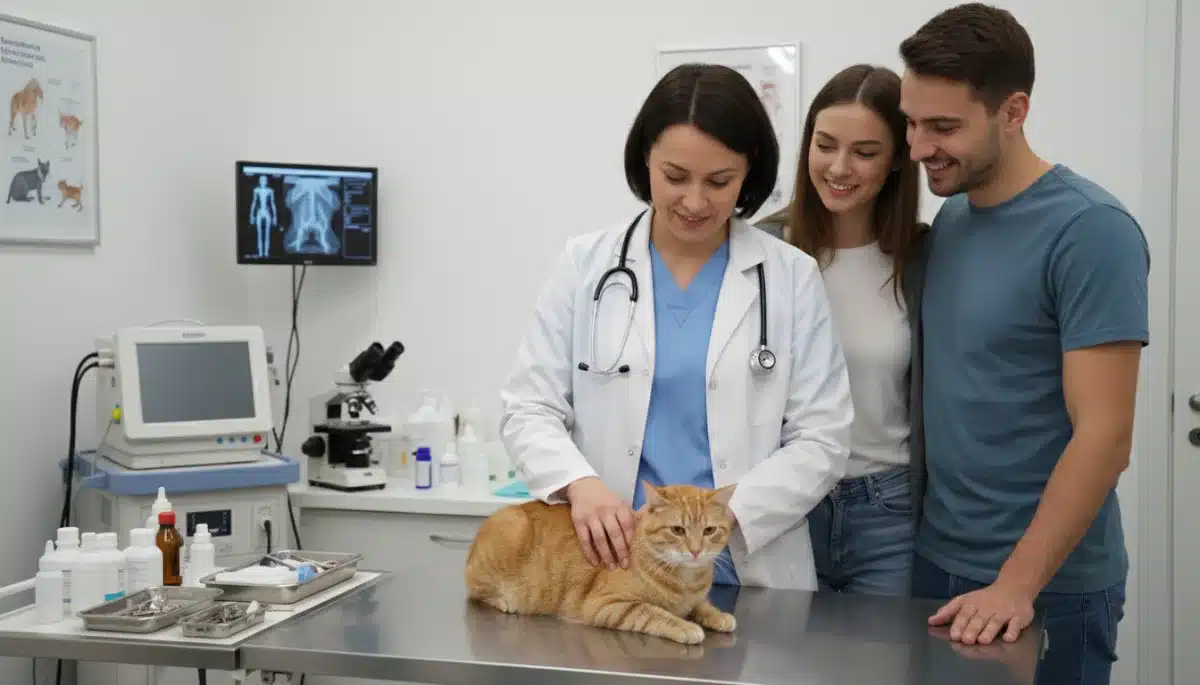
Including a wellness add-on can help budget for predictable veterinary expenses, potentially saving money over time. When evaluating the total value proposition, families should consider how these preventative services integrate with their pet’s routine care needs.
Factors Influencing Pet Insurance Costs and Benefits
The cost of pet insurance is not static; it varies significantly based on a multitude of factors. Understanding these variables is key to accurately Comparing Pet Insurance Benefits: Is It Worth It for Your Family in 2026? and finding a plan that aligns with both your pet’s needs and your financial capacity.
Breed, age, and location play substantial roles in determining premiums. Certain breeds are predisposed to specific health conditions, and older pets naturally face a higher risk of illness, leading to increased costs. Geographic location also impacts pricing due to variations in veterinary care expenses.
Furthermore, the deductible, reimbursement percentage, and annual limit you choose for your policy directly influence the monthly premium. Higher deductibles and lower reimbursement percentages typically result in lower premiums but mean more out-of-pocket expenses when a claim is filed, directly affecting your real Pet Insurance Benefits.
Breed-Specific Considerations and Age
Different pet breeds come with varying health profiles and genetic predispositions. For example, certain large breeds are prone to hip dysplasia, while some smaller breeds might be more susceptible to dental issues, directly impacting the potential Pet Insurance Benefits they might need.
Similarly, a pet’s age is a major factor. Puppies and kittens generally have lower premiums, but as pets age, the likelihood of developing chronic conditions increases, leading to higher insurance costs. Some policies may also have age limits for enrollment or reduced coverage for older animals.
When considering Comparing Pet Insurance Benefits: Is It Worth It for Your Family in 2026?, it’s crucial to be transparent about your pet’s breed and age to get an accurate quote and ensure appropriate coverage. This foresight can prevent unexpected financial burdens down the line.
Deductibles, Reimbursement, and Annual Limits
These three financial components are central to any pet insurance policy. The deductible is the amount you pay out-of-pocket before your insurance coverage begins to reimburse you. Options usually range from a few hundred dollars to over a thousand.
Reimbursement percentage dictates how much of the covered veterinary bill the insurance company will pay after your deductible is met. Common percentages include 70%, 80%, or 90%. A higher reimbursement rate means less out-of-pocket cost for you, enhancing the actual Pet Insurance Benefits received.
Finally, the annual limit is the maximum amount the insurance company will pay out in covered claims within a policy year. Some plans offer unlimited annual payouts, while others have caps. Carefully evaluating these aspects is essential for effective Comparing Pet Insurance Benefits: Is It Worth It for Your Family in 2026?.
Is Pet Insurance Worth It for Your Family in 2026?
Deciding if pet insurance is a worthwhile investment for your family in 2026 involves a careful assessment of various factors, including your financial situation, your pet’s health, and your peace of mind. There is no universal answer, as the value proposition is highly individual.
For some families, the potential for significant unexpected veterinary bills, especially for chronic illnesses or emergency surgeries, makes pet insurance an invaluable safeguard. It allows them to prioritize their pet’s health without the added stress of financial strain, effectively maximizing the Pet Insurance Benefits.
For others, particularly those with very healthy young pets or robust emergency savings, the cost of premiums might outweigh the perceived benefits. However, it is crucial to remember that a pet’s health can change rapidly and unexpectedly, making a thorough analysis of Comparing Pet Insurance Benefits: Is It Worth It for Your Family in 2026? essential.
The Financial Security Aspect
One of the primary arguments for pet insurance is the financial security it provides. Major veterinary procedures can cost thousands of dollars, an amount that can be a significant burden for many families. Pet insurance can mitigate this risk, allowing pet owners to focus on their pet’s recovery rather than the bill.
This financial safety net can be particularly beneficial for managing chronic conditions that require ongoing treatment, such as diabetes or arthritis. Without insurance, these long-term costs can accumulate rapidly, impacting a family’s budget and potentially limiting treatment options.
When Comparing Pet Insurance Benefits: Is It Worth It for Your Family in 2026?, consider your capacity to absorb large, unforeseen veterinary expenses. If such an event would cause significant financial hardship, pet insurance offers a valuable layer of protection, enhancing overall Pet Insurance Benefits.
Peace of Mind and Access to Quality Care
Beyond the financial aspect, pet insurance offers immense peace of mind. Knowing that you can afford the best possible care for your pet, regardless of the diagnosis, can reduce stress during difficult times. This emotional benefit is often cited by pet owners as a key reason for purchasing a policy.
Furthermore, having insurance can empower pet owners to pursue advanced or specialized treatments they might otherwise forgo due to cost. This means better access to quality veterinary care, ultimately leading to improved health outcomes and a longer, happier life for your companion.
The ability to make medical decisions based on your pet’s needs rather than solely on your wallet is a powerful advantage. This underscores why many families find that Comparing Pet Insurance Benefits: Is It Worth It for Your Family in 2026? leads to a decision to invest in a policy.
Evaluating Providers: What to Look for in 2026
When you’re ready to start Comparing Pet Insurance Benefits: Is It Worth It for Your Family in 2026?, the sheer number of providers and policy options can be overwhelming. It’s crucial to approach this evaluation systematically, focusing on key indicators of reliability, transparency, and customer satisfaction.
Begin by researching the provider’s reputation, including customer reviews and financial stability. A company with a long history of positive customer experiences and a strong financial backing is more likely to be a reliable partner when you need to file a claim, ensuring you receive the promised Pet Insurance Benefits.

Also, pay close attention to the policy’s terms and conditions, specifically regarding waiting periods, exclusions, and limitations. These details can significantly impact the actual utility of your policy and the extent of your Pet Insurance Benefits.
Reputation and Customer Service
A provider’s reputation is a strong indicator of the quality of service you can expect. Look for companies with high ratings from independent review sites and consumer protection agencies. Positive feedback often highlights efficient claims processing, clear communication, and helpful customer support.
Excellent customer service is paramount, especially during stressful times when your pet is ill or injured. You want a provider that is easy to reach, responsive to your queries, and compassionate. This human element can significantly enhance your experience with Pet Insurance Benefits.
Before committing, consider contacting their customer service with a few questions to gauge their responsiveness and helpfulness. This proactive step can provide valuable insight into their operational efficiency and commitment to client satisfaction, making Comparing Pet Insurance Benefits: Is It Worth It for Your Family in 2026? a more informed process.
Policy Exclusions and Waiting Periods
Every pet insurance policy comes with exclusions, which are conditions or treatments that are not covered. Common exclusions include pre-existing conditions, elective procedures, and sometimes dental cleanings unless specifically added. Understanding these is crucial to avoid surprises when you need to use your Pet Insurance Benefits.
Waiting periods are another critical aspect. This is the time frame between when your policy becomes active and when certain coverages begin. For example, there might be a short waiting period for accidents (e.g., 2-3 days) but a longer one for illnesses (e.g., 14-30 days), and even longer for orthopedic conditions.
Thoroughly review all exclusions and waiting periods before purchasing a policy. This transparency ensures that you have realistic expectations about what your Pet Insurance Benefits will cover and when, solidifying your decision when Comparing Pet Insurance Benefits: Is It Worth It for Your Family in 2026?.
Maximizing Your Pet Insurance Benefits
Once you’ve made the decision to invest in pet insurance, the next step is to ensure you are maximizing the Pet Insurance Benefits available to you. This involves understanding your policy inside and out, maintaining accurate records, and engaging proactively with your veterinary care.
Regular communication with your veterinarian about your pet’s health and any changes is vital. This ensures that any conditions are documented promptly, which can be critical for claims processing and demonstrating continuity of care under your policy.
Furthermore, keeping meticulous records of all veterinary visits, treatments, and invoices will streamline the claims submission process. A well-organized approach allows for efficient reimbursement and full utilization of your Pet Insurance Benefits.
Understanding Your Policy Details
To truly maximize your Pet Insurance Benefits, you must thoroughly understand your policy document. This includes knowing your deductible amount, your reimbursement percentage, and any annual or per-incident limits that apply to your coverage.
Familiarize yourself with the claims process: how to submit a claim, what documentation is required, and the expected timeline for reimbursement. Many providers offer online portals or mobile apps that simplify this process, making it easier to leverage your Pet Insurance Benefits.
Don’t hesitate to contact your insurance provider if you have questions about specific coverages or the claims procedure. Proactive clarification can prevent misunderstandings and ensure you receive all the benefits you are entitled to, effectively Comparing Pet Insurance Benefits: Is It Worth It for Your Family in 2026?.
Preventative Care and Regular Check-ups
Even with pet insurance, preventative care remains the cornerstone of your pet’s health. Regular check-ups, vaccinations, and parasite control can prevent many serious illnesses or catch them early, often resulting in less costly and more effective treatments.
Many pet insurance policies offer wellness add-ons that help cover these routine costs, making it easier to stay on top of preventative care. Utilizing these benefits not only keeps your pet healthy but can also reduce the likelihood of needing to file larger claims for more severe conditions.
Investing in preventative care, whether through a wellness plan or out-of-pocket, complements your insurance coverage by promoting overall well-being. This integrated approach ensures your pet receives comprehensive care, thus enhancing the overall value of your Pet Insurance Benefits.
| Key Point | Brief Description |
|---|---|
| Market Evolution | Pet insurance in 2026 features more personalized plans and integrated wellness programs. |
| Coverage Types | Options range from accident-only to comprehensive plans covering illnesses and wellness. |
| Cost Factors | Premiums are influenced by pet’s breed, age, location, deductibles, and reimbursement rates. |
| Value Proposition | Offers financial security and peace of mind against unforeseen veterinary expenses. |
Frequently Asked Questions About Pet Insurance Benefits
It is generally recommended to get pet insurance as early as possible, ideally when your pet is a puppy or kitten. Younger pets typically have lower premiums and fewer pre-existing conditions, which can lead to more comprehensive coverage throughout their lives. Waiting can result in higher costs or exclusions for newly developed conditions.
Most pet insurance policies do not cover pre-existing conditions, defined as illnesses or injuries that occurred before coverage started or during a waiting period. However, some providers offer limited coverage for ‘curable’ pre-existing conditions after an extended symptom-free period. Always review the policy details carefully regarding these exclusions.
The claims process typically involves paying your vet directly, then submitting your invoice and a claim form to your insurance provider. Most companies offer online portals or mobile apps for easy submission. Ensure all documentation, including diagnosis and treatment costs, is clear and complete for prompt reimbursement.
Wellness plans are usually offered as an optional add-on to standard accident and illness pet insurance policies. They cover routine preventative care such as vaccinations, annual check-ups, and flea/tick prevention, which are generally not included in basic insurance. Discuss these options when comparing pet insurance benefits to assess the full scope of coverage.
Yes, most pet insurance policies allow you to use any licensed veterinarian, including specialists and emergency clinics, as they typically reimburse you directly rather than paying the vet. This flexibility ensures you can choose the best care for your pet without network restrictions, which is a significant advantage of pet insurance.
Perspectives
The discussion around Pet Insurance Benefits in 2026 clearly indicates a growing recognition of its value for modern pet owners. The evolving market, coupled with rising veterinary costs, positions pet insurance as a critical tool for financial planning and ensuring optimal animal welfare. Families must continue to meticulously evaluate policy details, provider reputations, and their individual circumstances to make the most informed decisions. The trend suggests that proactive engagement with pet insurance will only become more essential in the years to come.