2026 Gig Economy Regulations: Reshaping Work for 30 Million US Women

2026 Gig Economy Regulations is gaining attention as federal and state policymakers introduce new labor protections and classification rules. Recent updates focus on worker benefits, transparency in pay structures, and clearer definitions of independent contractor status.
Key facts indicate that these regulations may expand access to benefits such as healthcare contributions, paid leave, and minimum earnings standards. Verified insights from labor analysts highlight that women, who make up a significant portion of gig workers, could see improved financial stability and workplace protections.
Looking ahead, readers should monitor implementation timelines, legal challenges, and platform-level adjustments to compliance. The evolving regulatory landscape will play a crucial role in shaping flexibility, income security, and long-term opportunities within the gig economy.
Unveiling the 2026 Gig Economy Regulations for US Women
The impending 2026 Gig Economy Regulations are poised to dramatically alter the professional landscape for approximately 30 million women across the United States. These new rules, currently in their final stages of development, aim to address long-standing concerns regarding worker classification, benefits, and protections within the rapidly expanding gig sector.
Policymakers emphasize that the regulations seek to strike a balance between the flexibility inherent in gig work and the need for greater security for its predominantly female workforce. The proposals reflect a growing recognition of the gig economy’s critical role in many women’s livelihoods, offering both opportunities and significant challenges.
As the implementation date draws closer, understanding the specifics of these regulations becomes paramount for gig workers, platform companies, and the broader economy. The potential ripple effects are extensive, touching upon everything from earning potential to work-life balance for millions of American women.
Key Provisions and Their Immediate Impact
Central to the 2026 Gig Economy Regulations are provisions that could redefine the employment status of many gig workers. This reclassification effort is designed to grant access to benefits traditionally associated with W-2 employment, such as minimum wage, overtime pay, and social security contributions.
Industry experts predict that while these changes offer enhanced security, they may also introduce new operational complexities for gig platforms. The immediate impact will likely involve a period of adjustment as companies adapt their business models and women workers navigate their new rights and responsibilities.
The regulations also include mandates for increased transparency regarding earnings, work assignments, and performance metrics. This aims to empower women gig workers with more information, enabling them to make more informed decisions about their work engagements and better advocate for fair treatment.
Worker Classification and Benefits Access
A cornerstone of the 2026 Gig Economy Regulations is the proposed re-evaluation of independent contractor status. This could lead to a significant portion of female gig workers being reclassified, thereby qualifying for benefits previously unavailable to them.
The implications for benefits access are substantial, potentially including health insurance subsidies, paid sick leave, and unemployment insurance. These provisions aim to mitigate the financial precarity often experienced by women in the gig economy, offering a more stable safety net.
For many women, this shift could mean a significant improvement in their overall economic stability and well-being. It represents a move towards integrating gig work more fully into the traditional labor framework, addressing a key vulnerability for a large segment of the female workforce.
- Mandatory contributions to social security and Medicare for reclassified workers.
- Eligibility for state-mandated unemployment insurance benefits.
- Access to paid family leave and sick leave in line with traditional employment laws.
- Increased platform responsibility for workers’ compensation coverage.
Economic Implications for Women and Platforms
The economic ramifications of the 2026 Gig Economy Regulations are multifaceted, impacting both the earning potential of women gig workers and the operational costs of platform companies. While increased benefits offer financial security, some analysts suggest potential trade-offs in terms of flexibility or available work.
For women, the regulations could stabilize income and provide a more predictable financial future, reducing reliance on public assistance programs. However, there are concerns that platforms might adjust their compensation structures or reduce the number of available gigs to offset increased operational expenses.
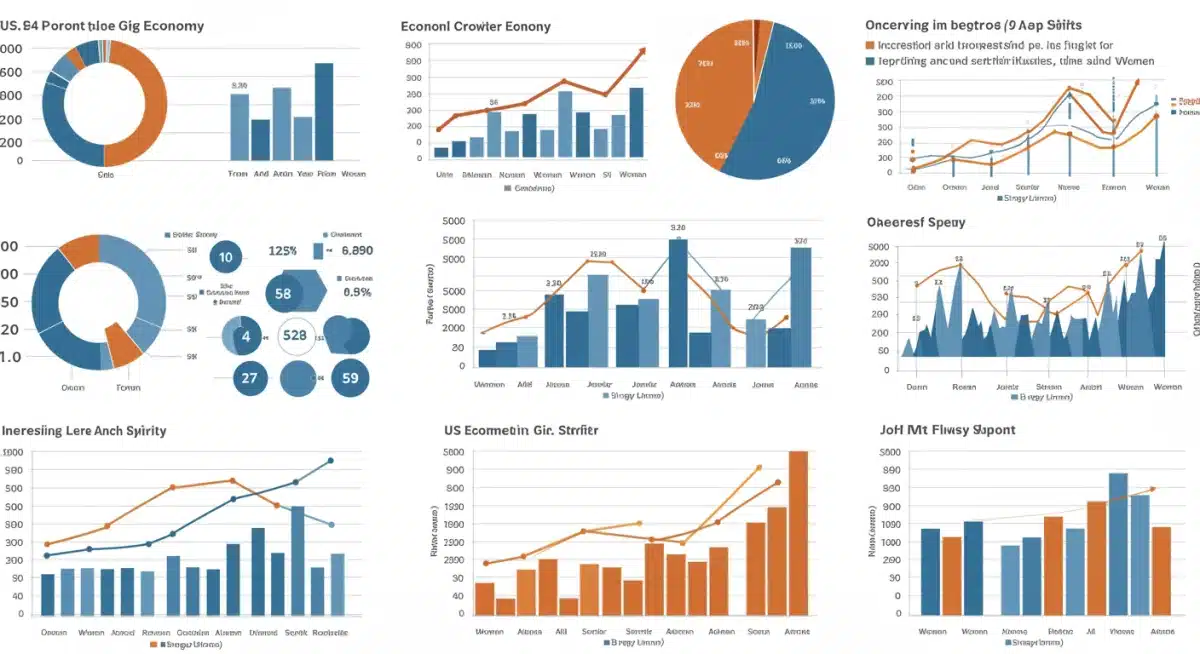
Platform companies face the challenge of integrating these new regulatory requirements into their existing business models without compromising their competitive edge. Innovation in benefit provision and operational efficiency will be crucial for their adaptation and continued growth within the new regulatory framework.
Balancing Flexibility with Security
One of the central debates surrounding the 2026 Gig Economy Regulations revolves around preserving the inherent flexibility of gig work while providing essential worker protections. Many women value the autonomy and adaptable schedules offered by gig platforms, which often accommodate family responsibilities or other commitments.
The challenge for regulators is to craft policies that enhance security without inadvertently diminishing the very aspects of gig work that attract millions of women. Striking this delicate balance is critical to ensure the regulations achieve their intended positive outcomes without creating unintended negative consequences.
Discussions are ongoing regarding innovative models that could offer benefit portability or prorated benefits based on hours worked, allowing for continued flexibility. These solutions aim to provide a middle ground, ensuring that women gain security without losing the valuable autonomy they seek in gig employment.
Challenges and Opportunities for Women Gig Workers
The implementation of the 2026 Gig Economy Regulations presents a unique set of challenges and opportunities for women engaged in gig work. On one hand, the prospect of improved benefits and protections offers a significant upgrade to their working conditions and financial stability.
On the other hand, some women express concerns that platforms might respond by becoming more selective in their hiring or by reducing the overall volume of available work, potentially impacting their earning capacity. Navigating these changes will require adaptability and a clear understanding of their evolving rights.
However, the regulations also create opportunities for advocacy and collective action. Women gig workers may find themselves in a stronger position to negotiate terms, form associations, and influence future policy developments, further solidifying their place in the labor market.
Adapting to New Work Paradigms
The shift introduced by the 2026 Gig Economy Regulations will necessitate an adaptation period for women gig workers. Understanding new eligibility criteria for benefits, changes in tax obligations, and updated platform policies will be crucial for maximizing the advantages these regulations offer.
Educational resources and support networks will play a vital role in helping women navigate these new paradigms. Platforms and advocacy groups are expected to provide guidance to ensure a smooth transition and full comprehension of the regulatory landscape.
This period of adaptation also presents an opportunity for women to re-evaluate their career strategies within the gig economy. With enhanced protections, some may choose to commit more fully to gig work, while others might leverage the new security to pursue further education or entrepreneurial ventures.
Advocacy and Future Policy Directions
The journey to the 2026 Gig Economy Regulations has been significantly shaped by sustained advocacy from labor organizations, women’s rights groups, and policy think tanks. These organizations have highlighted the specific vulnerabilities faced by women in the gig economy, pushing for more equitable and secure working conditions.
Looking ahead, the success of these regulations will likely influence future policy directions concerning the broader contingent workforce. Ongoing monitoring and evaluation will be essential to assess their effectiveness and identify areas for further refinement or expansion.
The dialogue surrounding the 2026 Gig Economy Regulations also underscores a broader societal discussion about the future of work, the role of technology in labor markets, and the imperative to ensure fair treatment for all workers, regardless of their employment classification.

Ensuring Equitable Implementation
A critical aspect of the 2026 Gig Economy Regulations will be their equitable implementation across diverse sectors and regions. Ensuring that all women, regardless of their specific gig work or geographic location, benefit equally from the new protections will be a key challenge for regulatory bodies.
This requires clear communication, robust enforcement mechanisms, and accessible channels for redress. The aim is to prevent any unintended disparities in application that could disadvantage certain segments of the female gig workforce.
The ongoing engagement of women gig workers and their advocates will be vital in reporting any implementation gaps or unforeseen consequences. This feedback loop will be instrumental in making necessary adjustments to the regulations over time, ensuring they remain relevant and effective.
Preparing for the Regulatory Shift
For the approximately 30 million US women involved in gig work, proactive preparation for the 2026 Gig Economy Regulations is advisable. This includes staying informed about specific state-level interpretations and changes, as some jurisdictions may implement additional or tailored provisions.
Gig workers should familiarize themselves with the new definitions of employment status and understand what benefits they may become eligible for. Consulting with financial advisors or legal experts specializing in labor law could provide personalized guidance during this transition period.
Platform companies are also in a period of intense preparation, adjusting their operational frameworks, legal structures, and compensation models. Their response will directly influence the experience of women gig workers under the new regulatory regime.
Resources and Support Networks
As the 2026 Gig Economy Regulations draw near, numerous resources and support networks are emerging to assist women in understanding and adapting to the changes. Government agencies, non-profit organizations, and even some gig platforms are developing guides and informational sessions.
These resources aim to demystify complex legal language and provide practical advice on how to leverage the new protections. Participating in workshops or joining online communities focused on gig worker rights can be invaluable for staying updated and sharing experiences.
The availability of such support is crucial for empowering women to confidently navigate the evolving gig economy. It ensures that they are not only aware of their rights but also equipped with the tools to exercise them effectively.
| Key Point | Brief Description |
|---|---|
| Worker Classification | New rules may reclassify many gig workers, impacting their employment status. |
| Benefits Access | Reclassified workers could gain access to traditional benefits like minimum wage and health insurance. |
| Economic Impact | Regulations aim to stabilize income for women but may alter platform operating costs. |
| Flexibility Concerns | Balancing enhanced security with the valued flexibility of gig work remains a key challenge. |
Frequently Asked Questions About 2026 Gig Economy Regulations
The core objectives of the 2026 Gig Economy Regulations are to enhance worker protections, ensure fair compensation, and provide access to benefits for millions of gig workers, particularly women. They aim to reduce precarity while acknowledging the evolving nature of flexible work arrangements.
Worker reclassification under the 2026 Gig Economy Regulations could grant women gig workers access to benefits like minimum wage, overtime, and unemployment insurance. This offers greater financial security, potentially mitigating the economic instability often associated with independent contractor status.
Maintaining flexibility is a key concern for the 2026 Gig Economy Regulations. While increased protections may introduce some structural changes, policymakers are exploring models to ensure that essential benefits are provided without completely eroding the autonomy and adaptable schedules valued by gig workers.
Women gig workers should stay informed about the specifics of the 2026 Gig Economy Regulations, especially those pertinent to their state or platform. Understanding new eligibility criteria for benefits, potential tax implications, and available support resources will be crucial for a smooth transition.
Gig platforms are central to the implementation of the 2026 Gig Economy Regulations. They are responsible for adapting their operational models, adjusting compensation structures, and ensuring compliance with new worker classification and benefit mandates. Their strategies will directly shape the worker experience.
Looking Ahead: The Future of Work for US Women
The 2026 Gig Economy Regulations mark a pivotal moment in the evolution of work for 30 million US women. This regulatory shift will undeniably reshape how they engage with the labor market, offering both enhanced protections and new challenges. The coming months will be critical for observing how platforms adapt and how women workers leverage these changes.
The implications extend beyond individual workers, influencing broader economic trends and potentially setting precedents for future labor policies. Continued vigilance and advocacy will be essential to ensure these regulations achieve their intended goals of creating a more equitable and secure gig economy for women.
As the implementation unfolds, monitoring the practical effects on income stability, work-life balance, and overall job satisfaction for women in the gig economy will provide invaluable insights into the future of flexible work in the United States. The 2026 Gig Economy Regulations are not just about rules; they are about redefining economic opportunity for a significant portion of the workforce.