Federal Aid Programs for Single Mothers See 15% Boost in 2026 Budget

Latest developments on Federal Aid Programs for Single Mothers in 2026 highlight a proposed 15% budget increase aimed at strengthening support across key areas such as housing, childcare, and education.
Officials indicate this expansion is part of broader efforts to address inflation pressures and improve economic stability for single-parent households.
Recent updates show that programs like childcare subsidies, housing assistance, and workforce training are expected to receive targeted funding boosts. Verified policy discussions emphasize improving access, reducing waitlists, and expanding eligibility to reach more families in need.
Looking ahead, recipients should monitor rollout timelines, eligibility updates, and state-level implementation differences.
Key factors include application processes, funding distribution, and how effectively these expanded programs translate into measurable financial relief in 2026.
Understanding the 15% Boost in Federal Aid Programs
The 15% increase in funding for federal aid programs represents a substantial commitment to supporting single mothers across the United States.
This boost is not merely an incremental adjustment but a strategic investment designed to alleviate financial burdens and foster greater stability for these families.
This allocation targets various critical areas, ensuring a comprehensive approach to assistance. The enhanced budget seeks to expand existing programs and potentially introduce new initiatives that address the multifaceted needs of single-parent households.
The move is anticipated to have a ripple effect, improving economic indicators and educational outcomes for children in these families.
Policymakers emphasize the long-term benefits of investing in the well-being of single mothers and their dependents.
Key Areas of Increased Funding
The additional funds are earmarked for several vital sectors, directly impacting the daily lives of single mothers.
These areas include housing assistance, childcare subsidies, educational grants, and job training programs.
The goal is to create a robust support system that empowers single mothers to achieve self-sufficiency and provide a nurturing environment for their children. This holistic approach recognizes that financial aid alone may not be sufficient without complementary services.
- Housing Assistance: Increased vouchers and rental support to prevent homelessness and ensure stable living conditions.
- Childcare Subsidies: Expanded access to affordable, high-quality childcare, enabling mothers to work or pursue education.
- Educational Grants: More financial aid for single mothers seeking higher education or vocational training to improve career prospects.
- Job Training Programs: Enhanced funding for initiatives that equip single mothers with in-demand skills for better employment opportunities.
Eligibility and Application Process for Enhanced Aid
Understanding the eligibility criteria and application process is crucial for single mothers seeking to benefit from these expanded federal aid programs. While specific details for the 2026 budget are still being finalized, general guidelines often remain consistent across federal initiatives.
Prospective applicants should begin preparing necessary documentation and researching local and national program requirements. Early preparation can significantly streamline the application process once the new funding becomes available.
Government agencies and non-profit organizations will likely offer resources and assistance to help single mothers navigate the application landscape. Staying informed through official channels is paramount to accessing these enhanced benefits effectively.
Navigating the Application Landscape
The application process for federal aid programs can sometimes be complex, requiring attention to detail and adherence to specific deadlines.
It is advisable for single mothers to gather all relevant financial, household, and personal information beforehand.
Many programs now offer online application portals, which can simplify submission and tracking. However, direct assistance from case workers or community organizations can be invaluable for those needing personalized guidance.
- Gather Documentation: Prepare income statements, proof of residency, birth certificates for children, and any relevant disability or employment records.
- Identify Relevant Programs: Research specific federal aid programs that align with individual needs, such as HUD housing programs, CCDBG for childcare, or Pell Grants for education.
- Seek Assistance: Contact local social services, non-profit organizations, or government offices for help with understanding eligibility and completing applications.
- Monitor Deadlines: Be aware of application windows and submission deadlines, as these can vary by program and state.
Impact on Single-Parent Households and the Economy
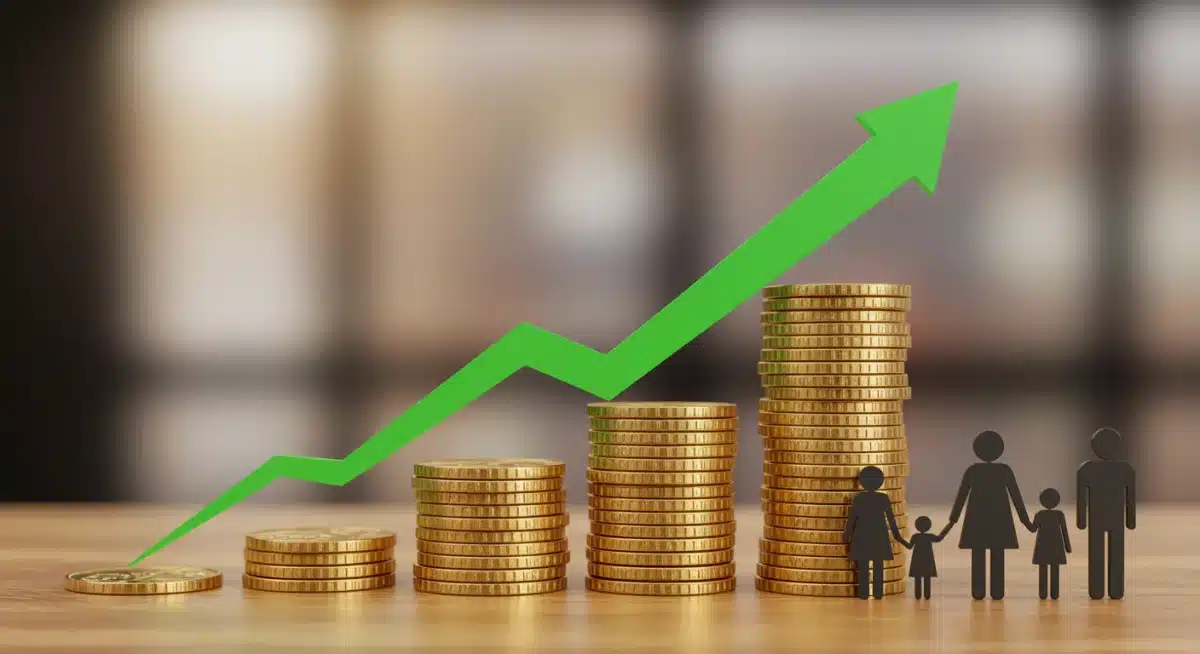
The 15% boost in federal aid programs is projected to have a profound impact on single-parent households, offering a critical lifeline to many struggling families. This financial injection aims to reduce poverty rates, improve child welfare, and enhance overall economic stability for single mothers.
Beyond individual families, the expanded aid is expected to contribute positively to the broader economy. Increased consumer spending, improved workforce participation, and a healthier, better-educated future generation are all anticipated outcomes of this investment.
Economists and social policy experts are closely monitoring these developments, predicting a measurable uplift in the quality of life for millions. The long-term societal benefits of supporting single mothers are widely recognized as a catalyst for community growth and national prosperity.
Economic Uplift and Social Benefits
The direct financial assistance provided through these federal aid programs will enable single mothers to meet basic needs more consistently. This stability frees up resources for educational pursuits and skill development, leading to better-paying jobs.
Improved access to childcare means more single mothers can participate in the workforce, boosting labor force participation rates. This, in turn, contributes to economic growth and reduces reliance on public assistance in the long run.
Furthermore, investing in the well-being of children in single-parent households has significant social returns. Healthier, better-educated children are more likely to become productive members of society, breaking cycles of poverty and disadvantage.
Legislative Backing and Future Outlook for Federal Aid Programs
The 15% boost in federal aid programs for single mothers in the 2026 budget received strong bipartisan support, reflecting a consensus on the importance of family welfare. This legislative backing provides a solid foundation for the longevity and effectiveness of these initiatives.
The future outlook for these programs appears promising, with ongoing discussions about potential further enhancements and refinements. Lawmakers are keen to ensure that the aid reaches those who need it most, with accountability and transparency being key priorities.
Advocacy groups and community organizations continue to play a vital role in shaping these policies, bringing real-world perspectives to legislative debates. Their input helps ensure that federal aid programs remain responsive to the evolving needs of single mothers.
Ensuring Long-Term Sustainability
While the immediate boost is significant, discussions are already underway regarding the long-term sustainability of these federal aid programs.
Policymakers are exploring mechanisms to ensure consistent funding and adapt programs to changing economic landscapes.
This includes evaluating the effectiveness of current initiatives and identifying areas for improvement. The goal is to create a resilient framework that can withstand future economic fluctuations and continue to provide essential support for single mothers.
- Performance Metrics: Establishing clear metrics to track the success of federal aid programs in reducing poverty and improving outcomes for single mothers.
- Regular Review: Implementing periodic reviews to assess program effectiveness and make necessary adjustments to funding and policies.
- Cross-Agency Collaboration: Fostering stronger collaboration among federal, state, and local agencies to ensure seamless delivery of services.
- Public-Private Partnerships: Exploring opportunities for partnerships with private sector entities and non-profits to augment federal funding and expand reach.
Regional Disparities and Targeted Interventions
Despite the overall 15% boost in federal aid programs, regional disparities in need and access remain a significant concern. The impact of this increased funding will not be uniform across all states and communities, necessitating targeted interventions.
Some regions, particularly those with higher poverty rates or limited local resources, may require additional support or specialized program adaptations. Federal agencies are working to identify these areas and develop tailored solutions.
Understanding these geographical nuances is critical to maximizing the effectiveness of the new budget allocation. The goal is to ensure that federal aid programs genuinely address the unique challenges faced by single mothers in diverse locales.
Addressing Unequal Access and Need
The federal government is exploring strategies to ensure equitable distribution of the increased aid, focusing on areas with historically underserved populations. This includes providing technical assistance to local agencies and promoting awareness campaigns.
Data analytics play a crucial role in identifying regions where single mothers face the greatest barriers to accessing resources.
This data-driven approach helps in allocating funds more strategically and developing programs that are culturally and economically relevant.
Stories of Resilience: How Federal Aid Transforms Lives
Behind the statistics and budget allocations are countless stories of single mothers whose lives are profoundly transformed by federal aid programs. These programs offer more than just financial relief; they provide hope, opportunity, and a pathway to a better future.
From securing stable housing to pursuing higher education, the impact of this support is deeply personal and far-reaching. These narratives highlight the human element of public policy and underscore the importance of continued investment in family welfare.
Sharing these stories helps to illustrate the tangible benefits of federal aid and reinforces the value of these initiatives. They serve as powerful reminders of the resilience of single mothers and the positive change that compassionate policy can bring.
Personal Journeys of Empowerment
Many single mothers, once facing daunting challenges, have leveraged federal aid to achieve significant milestones.
These include completing degrees, launching successful careers, and providing enriched environments for their children.
For instance, a single mother in Arizona used housing assistance to secure a safe home, allowing her to focus on her nursing studies. She now works as a registered nurse, providing for her family and contributing to her community.
- Educational Achievements: Single mothers completing college degrees or vocational training with the help of grants and childcare subsidies.
- Career Advancement: Mothers transitioning from low-wage jobs to stable, higher-paying careers through job training and placement programs.
- Family Stability: Ensuring children have access to nutritious food, safe housing, and quality education, leading to improved developmental outcomes.
Challenges and Criticisms of Federal Aid Programs
While the 15% boost in federal aid programs is largely welcomed, it is not without its challenges and criticisms. Concerns often revolve around bureaucratic hurdles, potential for fraud, and the overall effectiveness of program delivery.
Critics also raise questions about whether the increased funding is sufficient to address the deep-seated issues faced by single mothers. They argue that systemic changes beyond financial aid are necessary for true empowerment.
Addressing these challenges requires continuous evaluation, transparent oversight, and a willingness to adapt programs based on real-world feedback. The goal is to ensure that every dollar allocated delivers maximum impact and truly benefits single mothers.
Addressing Bureaucracy and Effectiveness
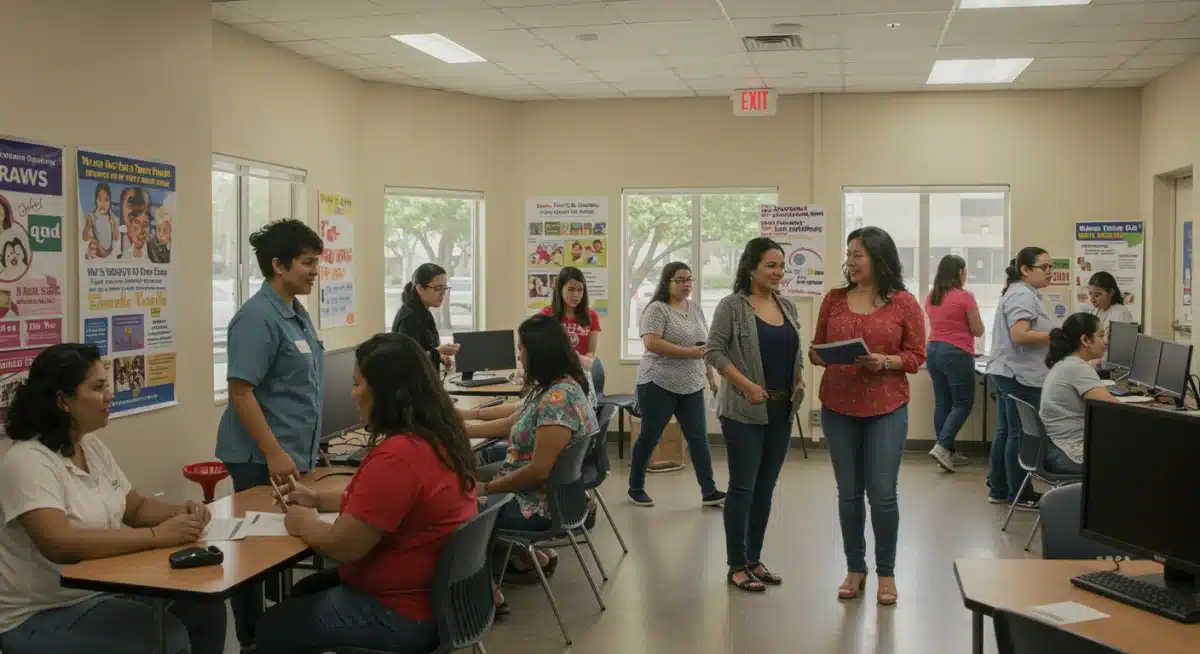
One common challenge cited by beneficiaries is the complexity of navigating multiple federal aid programs. The application processes can be cumbersome, leading to delays or even eligible individuals missing out on assistance.
Efforts are underway to streamline these processes and enhance inter-agency coordination to create a more user-friendly experience. Simplification is key to ensuring that the aid reaches those who need it most efficiently.
Additionally, ongoing assessments are crucial to measure the effectiveness of these programs in achieving their stated goals. This includes evaluating whether the aid truly moves single mothers towards self-sufficiency and improves their children’s well-being.
| Key Point | Brief Description |
|---|---|
| 2026 Budget Boost | Federal Aid Programs for Single Mothers see 15% increase in 2026. |
| Targeted Areas | Funds allocated to housing, childcare, education, and job training. |
| Economic Impact | Expected to reduce poverty, boost workforce participation, and improve child welfare. |
| Application Process | Emphasis on early preparation and seeking assistance for eligibility. |
Frequently Asked Questions About Federal Aid for Single Mothers
The 2026 budget includes a significant 15% boost in Federal Aid Programs for Single Mothers. This increase is specifically designed to provide enhanced financial support across various critical areas, aiming to improve the overall well-being and stability of single-parent households nationwide.
Increased funding will primarily target essential areas such as housing assistance, childcare subsidies, educational grants, and job training programs. These allocations are intended to address the multifaceted needs of single mothers, promoting economic independence and better opportunities for their children.
The enhanced federal aid programs are expected to significantly reduce poverty rates, improve child welfare, and increase economic stability for single-parent households. This boost aims to empower single mothers by providing resources that enable them to secure better housing, education, and employment opportunities.
Single mothers should start by gathering necessary documentation such as income statements and residency proofs. They should research specific federal aid programs relevant to their needs and seek assistance from local social services or non-profit organizations to navigate the application process effectively and meet deadlines.
Yes, some concerns include bureaucratic hurdles in the application process, potential for fraud, and questions about the overall effectiveness and sufficiency of the funding to address systemic issues. Continuous evaluation and transparent oversight are crucial to ensure the aid reaches those who need it most efficiently.
Looking Ahead
The 15% boost in Federal Aid Programs for Single Mothers in the 2026 budget marks a significant step towards bolstering family welfare.
This development signals a clear commitment from policymakers to address the economic challenges faced by single-parent households.
Readers should monitor official announcements, particularly regarding detailed eligibility criteria and application timelines, as these programs begin to roll out.
The long-term success will depend on effective implementation and ongoing evaluation of their impact on communities and individual lives.