2026 Healthcare Reform: Women’s Access to Services in the US

Latest developments on 2026 Healthcare Reform for Women in the United States highlight a complex mix of expanded care initiatives and policy challenges. Federal and advocacy groups are prioritizing preventive care, maternal health, and access equity, with new policy agendas aiming to reduce disparities and improve outcomes across all life stages.
Recent updates show increased focus on maternal health, menopause care, and reproductive services, alongside broader healthcare reforms tied to affordability and Medicare/Medicaid adjustments. However, verified reports also indicate ongoing political debates and policy shifts that may affect access to certain services and coverage consistency nationwide.
Looking ahead, stakeholders should monitor federal funding decisions, state-level policy variations, and access to reproductive and preventive care. Key factors include healthcare affordability, regulatory changes, and how reforms address long-standing disparities in women’s health outcomes across the U.S.
Understanding the Core Changes in the 2026 Healthcare Reform
The 2026 Healthcare Reform introduces significant overhauls to existing healthcare legislation, particularly impacting women’s access to various medical services. These changes are designed to address current systemic issues while potentially creating new challenges for specific demographics.
Authorities have confirmed new timelines and outlined initial impacts across different regions, with a particular focus on how these changes will manifest in women’s health clinics and insurance coverages. Statements from representatives indicate short-term adjustments and a more defined path for upcoming decisions, highlighting the need for vigilance.
For women across the United States, understanding these core changes is paramount, as they directly influence everything from routine check-ups to specialized treatments. The reform aims to streamline certain processes but also demands careful scrutiny to ensure equitable access remains a priority.
Impact on Reproductive Health Services and Access
One of the most keenly watched aspects of the 2026 Healthcare Reform Women is its potential effect on reproductive health services. These services, crucial for women’s overall well-being, are often at the forefront of policy debates and legislative adjustments.
Recent data helps clarify the scope and sequence of events, indicating shifts in funding for family planning, contraception, and maternal care. Markets and local communities reacted as information became public, with agencies coordinating responses under established protocols to manage the transition.
The reform could alter how these vital services are funded, delivered, and accessed, making it imperative for women and healthcare providers to stay informed. Analysts highlight short-term signals that deserve attention before broader trends become clear regarding reproductive healthcare access.
Key Changes to Reproductive Healthcare Coverage
- Potential adjustments in insurance mandates for contraceptive coverage.
- Revisions to funding allocations for Title X family planning clinics.
- New guidelines impacting access to abortion services and related counseling.
The topic’s background connects the update to previous milestones in women’s health policy, suggesting a continuum of legislative evolution. These changes could mean significant adjustments in how women plan their families and manage their reproductive health.
Maternal Care and Postpartum Support Under New Regulations
Maternal care, encompassing prenatal, childbirth, and postpartum support, is another critical area directly affected by the 2026 Healthcare Reform Women. The quality and accessibility of these services are foundational to the health of mothers and infants.
Direct quotes and attributed summaries show positions, responsibilities, and next steps from various stakeholders, including medical associations and advocacy groups. Independent experts assess the credibility of the information and likely outcome scenarios for maternal health services under the new framework.
For now, practical effects are concentrated in specific areas, while broader impacts depend on future decisions and compliance with new guidelines. Ensuring robust maternal care remains a key concern for many organizations monitoring the reform’s implementation.
What Changes for Expectant and New Mothers
- Changes in eligibility for Medicaid expansion for postpartum care.
- Potential shifts in coverage for lactation consultants and mental health support.
- New mandates or reductions in coverage for childbirth education classes.
The reform seeks to standardize certain aspects of maternal care, but regional disparities in implementation might create uneven access. Advocacy efforts are focusing on safeguarding comprehensive support for expectant and new mothers.
Preventive Health Screenings and Women’s Wellness Programs
Preventive health screenings and women’s wellness programs are cornerstones of proactive healthcare, helping detect issues early and promote long-term health. The 2026 Healthcare Reform Women will undoubtedly influence these critical services.
Officials have stated intentions to re-evaluate the scope of covered preventive services, which could impact mammograms, cervical cancer screenings, and bone density tests. These adjustments are often framed within broader efforts to control healthcare costs and improve efficiency, though their effects on patient access are closely watched.
The discussions around the reform emphasize a balance between fiscal responsibility and maintaining essential health services for women. Ensuring continuity for these programs is vital for preventing serious health conditions and promoting overall wellness.
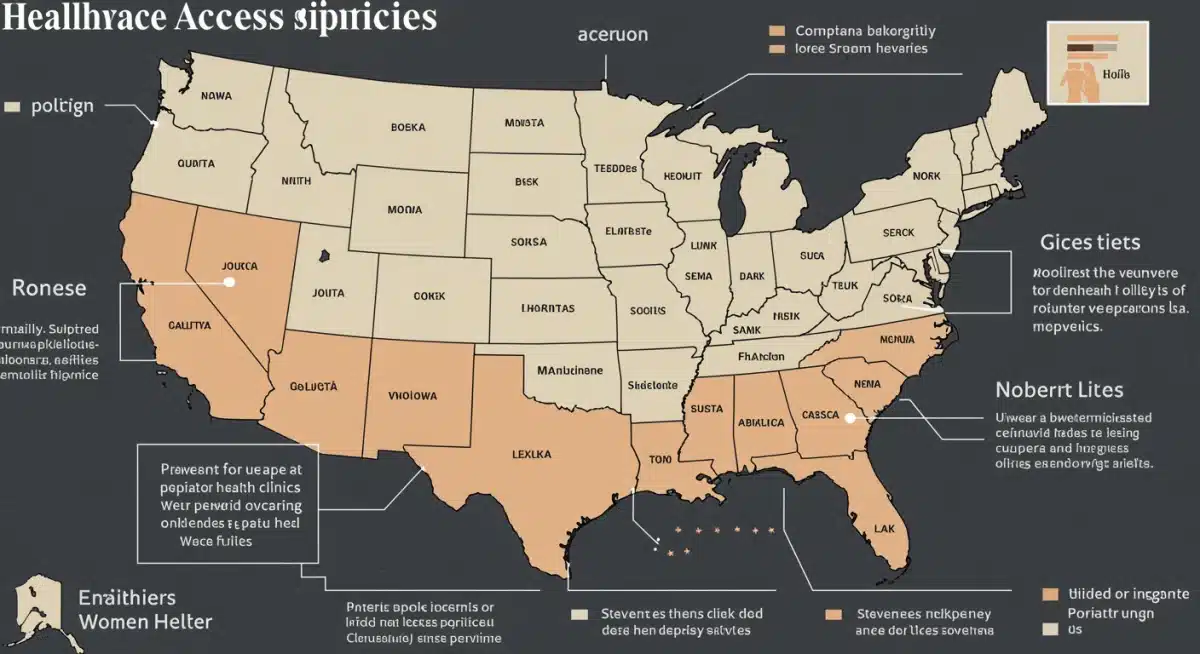
Anticipated Shifts in Preventive Care Coverage
The reform may introduce new guidelines for the frequency and types of preventive screenings covered by insurance plans. This could lead to a re-evaluation of what is considered ‘essential’ preventive care for women, potentially affecting annual check-ups and specialized tests.
Women’s wellness programs, often offered through community health centers or employer-sponsored plans, could also see changes in their funding and structure. These programs are instrumental in promoting healthy lifestyles and addressing specific health risks pertinent to women.
Advocacy groups are actively working to ensure that the 2026 Healthcare Reform Women does not inadvertently reduce access to these crucial preventive measures. Early detection is key to successful treatment outcomes, making continued access to screenings non-negotiable.
Mental Health Services and Gender-Specific Care
Mental health services and gender-specific care are increasingly recognized as integral components of comprehensive healthcare for women. The 2026 Healthcare Reform Women aims to address mental health parity while navigating the complexities of gender-specific needs.
The reform includes provisions that could affect the coverage and availability of mental health support, including therapy, counseling, and psychiatric services. These services are particularly pertinent for women who may face unique mental health challenges related to reproductive cycles, motherhood, and societal pressures.
Ensuring that mental health care is as accessible and affordable as physical health care remains a significant objective, yet the specifics of implementation under the new reform will determine its true impact. The legislation seeks to bridge gaps, but the execution will reveal any remaining disparities in coverage and access.
Expanding Access to Mental Health Support
New mandates within the reform might push for improved integration of mental health services into primary care settings, potentially making it easier for women to seek help. This integrated approach could reduce stigma and increase early intervention for mental health conditions.
Gender-specific care, which addresses health issues unique to women or those that manifest differently in women, is also a focal point. This includes specialized treatments for conditions like endometriosis, polycystic ovary syndrome (PCOS), and certain autoimmune diseases predominantly affecting women.
The success of the 2026 Healthcare Reform Women in these areas will hinge on adequate funding and clear guidelines that prioritize women’s distinct health needs. Advocacy for comprehensive and equitable access to mental health and gender-specific care continues to be a central theme.
Addressing Healthcare Disparities for Women in Rural and Underserved Areas
Healthcare disparities persist, especially for women residing in rural and underserved areas, who often face significant barriers to accessing quality medical care. The 2026 Healthcare Reform Women attempts to mitigate some of these long-standing issues.
The reform includes initiatives aimed at bolstering healthcare infrastructure in these regions, potentially through increased funding for rural clinics, telemedicine expansion, and incentives for healthcare professionals to practice in underserved communities. These measures are critical for closing the access gap.
However, the effectiveness of these initiatives will depend on their scale and sustained implementation, as well as addressing the unique logistical and economic challenges faced by these populations. The policy aims to improve general access, but specific provisions for women are under close review.
Strategies for Enhanced Rural Healthcare Access
- Investments in telehealth services to connect rural women with specialists.
- Programs to support mobile health clinics reaching remote areas.
- Recruitment and retention incentives for healthcare professionals in underserved regions.
The reform’s ability to genuinely improve access for women in these areas will be a key indicator of its overall success. Ensuring that these women receive the same standard of care as their urban counterparts is a complex but essential goal of the 2026 Healthcare Reform Women.
The Role of Insurance Providers and Employer-Sponsored Plans
Insurance providers and employer-sponsored plans play a pivotal role in how women access healthcare services, acting as gatekeepers to a vast array of medical treatments and preventive care. The 2026 Healthcare Reform Women introduces new mandates and regulations that will impact these entities.
The reform could lead to adjustments in premium costs, deductible structures, and the scope of covered benefits, particularly those relevant to women’s health. Employers will need to adapt their plans to comply with new federal guidelines, potentially affecting benefits packages offered to female employees.
Women relying on employer-sponsored insurance or individual market plans will need to carefully review their coverage options as these changes roll out. Understanding the fine print of these policies will be crucial for navigating the evolving healthcare landscape and ensuring continued access to necessary services.

Navigating New Insurance Landscapes
Insurance companies will likely revise their offerings to align with the reform’s requirements, which could mean new plan designs or changes to existing ones. Women should anticipate reviewing updated policy documents and understanding any new limitations or expanded benefits related to their health needs.
Employer-sponsored plans, often a primary source of health coverage, will also undergo transformations. Companies may need to allocate additional resources to meet new mandates, which could indirectly influence other aspects of employee benefits. The goal is to ensure that essential services for women are not compromised.
The 2026 Healthcare Reform Women places a significant responsibility on both insurers and employers to communicate these changes clearly and effectively. Transparent information will empower women to make informed decisions about their healthcare coverage and access.
Advocacy and Future Outlook for Women’s Health
Advocacy groups are playing a crucial role in monitoring the implementation of the 2026 Healthcare Reform Women, ensuring that women’s health remains a priority amidst the policy shifts. Their efforts are vital in shaping the future outlook for access to services.
These organizations are actively engaging with policymakers, providing data, and sharing personal stories to highlight the real-world impact of legislative decisions on women’s lives. Their work helps to ensure that the voices of women are heard and considered in ongoing policy adjustments and future reforms.
The future outlook for women’s health under the 2026 Healthcare Reform is dynamic and subject to continuous evaluation. Sustained advocacy and public engagement will be critical in navigating challenges and maximizing opportunities for improved access and equitable care.
Ongoing Efforts to Support Women’s Healthcare Access
Advocacy groups are focusing on several key areas, including ensuring continued funding for essential services, advocating for comprehensive reproductive and maternal care, and addressing disparities in mental health access. Their vigilance is paramount to protecting existing gains and pushing for further improvements.
The reform also presents opportunities for innovation in healthcare delivery, such as expanding telemedicine and community-based care models, which could particularly benefit women in underserved areas. These advancements, if properly implemented, can enhance accessibility and convenience.
Ultimately, the success of the 2026 Healthcare Reform Women will be measured by its ability to provide equitable, comprehensive, and accessible healthcare for all women across the United States. The ongoing dialogue and collaboration among stakeholders will define this future.
| Key Point | Brief Description |
|---|---|
| Reproductive Health | Significant policy shifts impacting funding and access to essential services. |
| Maternal Care | New regulations affecting prenatal, childbirth, and postpartum support. |
| Preventive Screenings | Potential changes in coverage for vital women’s wellness programs. |
| Disparities Addressed | Efforts to improve access for women in rural and underserved areas. |
Frequently Asked Questions About the 2026 Healthcare Reform
The 2026 Healthcare Reform may lead to adjustments in your current insurance plan’s coverage, particularly for women’s health services. You should receive updated policy documents from your provider detailing any changes to premiums, deductibles, or covered benefits. It’s crucial to review these carefully to understand the impact on your access to care.
Coverage for reproductive health services will likely see modifications under the 2026 Healthcare Reform. While some core services may remain, there could be changes in mandates for contraceptive coverage, funding for family planning, and access to specific procedures. Women are advised to consult their providers for specifics.
Maternal care and postpartum support are areas of focus in the 2026 Healthcare Reform. Expect potential shifts in Medicaid eligibility for postpartum care, coverage for lactation support, and mental health services for new mothers. These changes aim to standardize care but may vary by state and individual plan.
The 2026 Healthcare Reform includes provisions to address disparities for women in rural and underserved areas. These may involve increased funding for rural clinics, expansion of telemedicine services, and incentives for healthcare professionals to work in these regions. The goal is to enhance accessibility and quality of care.
For reliable information on the 2026 Healthcare Reform’s impact on women’s health, consult official government health websites, reputable medical associations, and established women’s health advocacy organizations. These sources provide factual updates and analysis to help you stay informed about your access to services.
Looking Ahead: Navigating the 2026 Healthcare Reform for Women
The 2026 Healthcare Reform Women marks a pivotal moment for healthcare in the United States, particularly concerning women’s access to vital services.
Understanding these changes is not merely about policy compliance but about empowering women to make informed decisions about their health and well-being. The implications extend beyond immediate medical appointments, touching upon long-term health planning and financial stability for families.
As the reform unfolds, continuous monitoring of legislative updates and advocacy efforts will be crucial. Women, healthcare providers, and policymakers must collaborate to ensure that the intended benefits of the reform are realized, while potential drawbacks are mitigated. The landscape of women’s health is evolving, and proactive engagement is the best strategy for navigating these significant shifts.
The ongoing dialogue surrounding the 2026 Healthcare Reform Women underscores the importance of equitable access, comprehensive care, and sustained support for women’s health needs across all demographics. Future developments will reveal the full scope of its impact.