Federal Student Loan Forgiveness Program Expanded 2026: 5 Million Beneficiaries

Latest developments on Federal Student Loan Forgiveness Program confirm broader eligibility and faster processing timelines, potentially benefiting up to 5 million borrowers. Officials report expanded income thresholds, revised qualifying payment criteria, and improved access through updated federal platforms.
Recent updates indicate a stronger focus on automatic enrollment mechanisms and simplified application procedures. Verified sources highlight increased outreach efforts and coordination with loan servicers to ensure eligible borrowers are identified and processed efficiently.
Looking ahead, borrowers should monitor implementation timelines, eligibility updates, and potential legal or policy adjustments. Key areas to watch include forgiveness caps, tax implications, and how consistently these changes are applied across different loan programs.
Historic Expansion Details Unveiled
Authorities have confirmed the unprecedented scale of the expansion, projecting relief for an estimated 5 million borrowers by 2026. This move marks one of the most significant governmental interventions in student loan debt in recent history.
The policy aims to address long-standing issues concerning student loan manageability and economic mobility for a vast segment of the population. Official statements emphasize equity and accessibility as core tenets of this revised program.
Key stakeholders, including education advocates and financial experts, are closely analyzing the program’s framework, which promises to reshape the landscape of higher education financing. The implications extend far beyond individual borrowers, potentially stimulating broader economic growth.
Eligibility Criteria and New Pathways
The updated guidelines introduce several new pathways to loan forgiveness, broadening the scope of eligibility for millions. These changes are designed to simplify the application process and ensure that relief reaches those most in need.
Specific criteria now include provisions for long-term borrowers, individuals in certain public service roles, and those who have experienced financial hardship. The Department of Education has outlined a tiered approach to ensure fairness and maximize impact.
- Borrowers with 20+ years of repayment history on undergraduate loans.
- Individuals in specific public service occupations, including teachers and nurses.
- Those who previously qualified for income-driven repayment plans but did not receive full benefit.
- Borrowers with certain types of disabilities or in specific hardship categories.
The expansion reflects a concerted effort to rectify past administrative complexities that prevented many eligible borrowers from receiving the forgiveness they were due. This proactive approach seeks to streamline access to the Federal Student Loan Forgiveness program.
Impact on 5 Million Borrowers by 2026
The projected benefit for 5 million borrowers by 2026 underscores the immense reach of this policy shift. This number represents a substantial portion of the total student loan debt holders in the United States.
For these individuals, the relief translates into significant financial freedom, potentially freeing up funds for housing, healthcare, and other essential expenditures. The economic ripple effects are expected to be considerable, fostering greater financial stability.
Financial analysts are already forecasting a positive impact on consumer spending and investment, as borrowers are relieved of their monthly debt obligations. This expansion of Federal Student Loan Forgiveness is a critical step towards economic recovery and growth.
Economic Stimulus and Consumer Behavior
The influx of disposable income among millions of borrowers is anticipated to provide a notable boost to various sectors of the economy. This policy functions as a direct stimulus, encouraging spending and investment.
Experts suggest that this financial relief will enable many to pursue homeownership, start businesses, or invest in further education, contributing to long-term economic development. The psychological impact of reduced debt stress is also a significant, albeit intangible, benefit.
- Increased consumer spending in local economies.
- Potential rise in homeownership rates among younger demographics.
- Boost in small business creation and investment.
- Improved mental health and financial well-being for beneficiaries.
The government’s decision to expand Federal Student Loan Forgiveness is not merely a debt relief measure but a strategic economic policy designed to empower individuals and stimulate broader prosperity. The benefits extend beyond the immediate financial alleviation.
Navigating the New Application Process
While the expansion offers substantial relief, understanding and navigating the new application process is paramount for aspiring beneficiaries. The Department of Education is committed to making this process as transparent and accessible as possible.
Official guidance and resources are being updated regularly to reflect the latest policy changes and provide clear instructions. Borrowers are encouraged to consult these official channels to avoid misinformation and ensure successful application.
Workshops and informational webinars are also being planned to assist borrowers through each step of the application journey. This proactive outreach aims to demystify the process for all eligible for Federal Student Loan Forgiveness.
Key Steps for Prospective Applicants
Prospective applicants should begin by verifying their eligibility against the newly released criteria.
This initial step is crucial to determine which specific forgiveness pathway aligns with their individual circumstances.
Gathering all necessary documentation, including loan statements, employment records, and income verification, will expedite the application process. Attention to detail and accuracy are vital to prevent delays or rejections.
- Review updated eligibility criteria thoroughly.
- Identify the specific forgiveness program applicable to your situation.
- Collect all required financial and personal documentation.
- Submit applications via official Department of Education portals only.
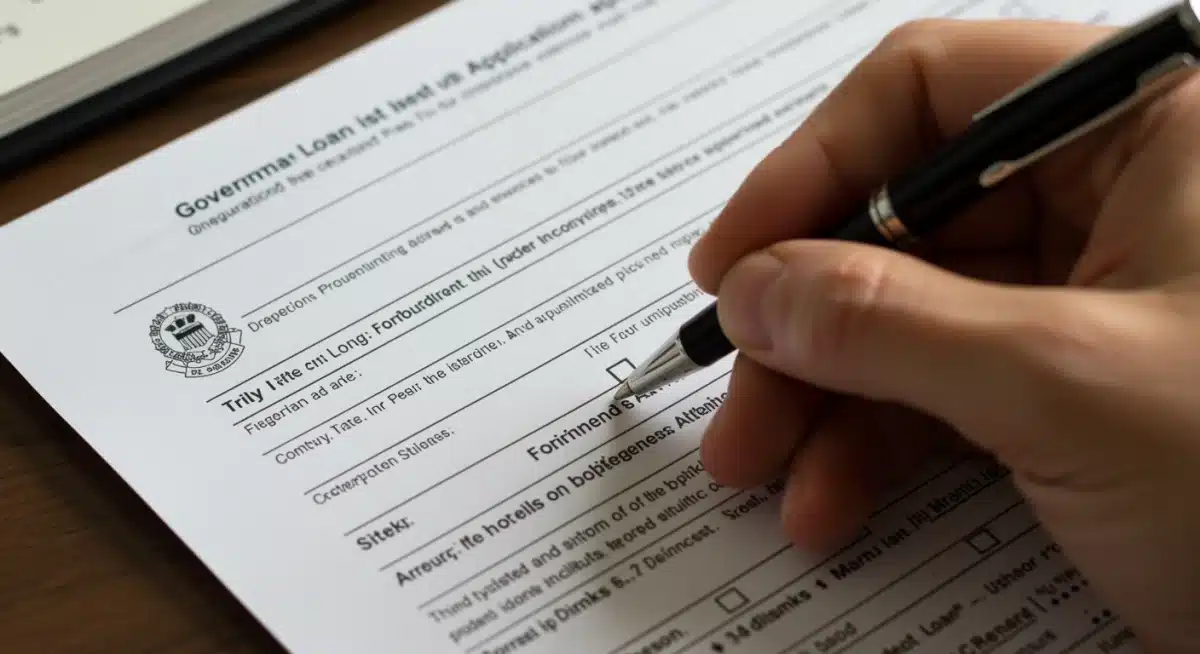
Understanding the revised timelines for application submission and processing is also important. The Department of Education has indicated a phased rollout to manage the anticipated volume of applications for Federal Student Loan Forgiveness.
Potential Challenges and Public Scrutiny
Despite the widespread enthusiasm, the expansion of the Federal Student Loan Forgiveness program faces potential challenges and public scrutiny. Concerns range from administrative capacity to the broader economic implications.
Critics point to the potential for increased national debt and questions regarding fairness to those who have already repaid their loans. These discussions highlight the complex nature of such large-scale policy interventions.
The government remains steadfast in its commitment, emphasizing the long-term benefits outweighing the short-term costs and ensuring robust oversight. Transparency in implementation is key to addressing these concerns effectively.
Addressing Equity and Fairness Concerns
The debate around equity and fairness is central to the discussion surrounding the expanded Federal Student Loan Forgiveness. Policymakers are working to articulate the rationale behind targeting specific groups for relief.
Arguments often center on the disproportionate impact of student debt on marginalized communities and the role of higher education in social mobility. The program aims to correct historical inequities within the financial aid system.
- Ensuring equitable access to forgiveness for all eligible demographics.
- Addressing concerns from taxpayers who have already repaid their loans.
- Communicating the long-term societal benefits of reducing student debt.
- Implementing mechanisms for transparent and fair program administration.
The administration is actively engaging with various advocacy groups and financial experts to refine the program’s communication strategy and ensure that its benefits are clearly understood. This dialogue is crucial for the successful rollout of the Federal Student Loan Forgiveness initiative.
Long-Term Implications for Education Funding
The expansion of Federal Student Loan Forgiveness has significant long-term implications for how higher education is funded and accessed in the United States. This policy could reshape future governmental approaches to student aid.
Discussions are already underway regarding sustainable models for tuition costs and alternative funding mechanisms that reduce reliance on student loans. The current policy may serve as a catalyst for broader educational reform.
Educators and policymakers are exploring solutions that prevent future generations from accumulating similar levels of debt. This includes examining tuition caps, increased grant funding, and innovative financing options.
Shaping Future Educational Policies
The bold step taken with this expansion is likely to influence the legislative agenda for years to come, particularly concerning educational equity and access. It sets a precedent for governmental intervention in higher education finance.
Future policies may focus on preventative measures, such as strengthening Pell Grants and investing in tuition-free community college programs. The goal is to create a more equitable and affordable educational landscape.
- Increased scrutiny on university tuition increases and administrative costs.
- Potential for new legislation aimed at expanding federal grant programs.
- Exploration of tuition-free models for public institutions.
- Greater emphasis on career and technical training programs.
The Federal Student Loan Forgiveness program expansion is not an isolated event but a crucial component of a larger strategy to reform the American higher education system. Its success could pave the way for more comprehensive changes.
Expert Analysis and Market Reactions
Financial experts and economists are providing detailed analyses of the expanded Federal Student Loan Forgiveness program, assessing its immediate and long-term market reactions. Initial responses have been mixed but generally optimistic.
Stock markets have shown minor fluctuations, with some sectors, particularly consumer goods and housing, anticipating a positive bump. The broader financial impact is still being modeled, but the consensus is leaning towards a net positive.
Analysts are particularly interested in how this will affect the credit scores of millions of Americans, potentially opening doors to new financial opportunities. The policy is expected to significantly reduce household debt burdens.
Anticipated Market Shifts
The housing market, in particular, is expected to see increased activity as more individuals, particularly younger demographics, become eligible for mortgages. This could lead to a modest but sustained increase in demand.
The automotive industry and other sectors reliant on consumer discretionary spending may also experience a boost. This widespread relief from Federal Student Loan Forgiveness creates a new wave of purchasing power.
- Potential increase in first-time home buyers.
- Growth in consumer discretionary spending across various industries.
- Improved credit profiles for millions of borrowers.
- Reduced personal bankruptcy rates linked to student debt.
The long-term effects on the national economy are projected to be positive, as a more financially secure populace contributes to a robust economic environment. This program is seen as an investment in human capital and future economic stability.
Ensuring Transparency and Accountability
To ensure the success and public trust in the expanded Federal Student Loan Forgiveness program, transparency and accountability measures are being rigorously implemented. The government is committed to open communication.
Regular reports on the program’s progress, including the number of beneficiaries and the total amount of debt forgiven, will be made publicly available. This commitment to transparency aims to foster confidence and address any skepticism.
Auditing mechanisms and oversight committees are being established to monitor the program’s administration and address any irregularities promptly. This proactive approach underscores the importance of public trust in such a significant initiative.
Monitoring and Reporting Mechanisms
Detailed dashboards and public data sets will provide real-time updates on the program’s performance and impact. This data-driven approach will allow for continuous evaluation and necessary adjustments.
Feedback channels for borrowers and the public are being enhanced to ensure that concerns are heard and addressed effectively.
This iterative process is crucial for the long-term viability and success of the Federal Student Loan Forgiveness program.
- Publicly accessible dashboards for tracking program progress.
- Regular reports detailing beneficiary statistics and financial impact.
- Robust auditing procedures to ensure proper fund allocation.
- Enhanced feedback mechanisms for borrowers and stakeholders.
The government’s dedication to transparency and accountability ensures that the expanded Federal Student Loan Forgiveness program operates with integrity and achieves its intended goals. This fosters a stronger relationship between the public and government initiatives.
| Key Aspect | Description |
|---|---|
| Program Expansion | Federal Student Loan Forgiveness program significantly broadened for 2026. |
| Beneficiaries | Approximately 5 million borrowers expected to receive relief. |
| Eligibility | New pathways for long-term borrowers, public servants, and hardship cases. |
| Economic Impact | Anticipated boost in consumer spending, housing, and overall economic stability. |
Frequently Asked Questions About Federal Student Loan Forgiveness
Eligibility has expanded to include long-term borrowers, public service workers, and individuals experiencing financial hardship. Specific criteria depend on repayment history and professional roles, so checking official Department of Education guidelines is essential for accurate assessment.
The program is projected to benefit approximately 5 million borrowers by 2026. This significant number underscores the broad impact and reach of the policy change, aiming to alleviate substantial debt burdens across the country.
While specific application deadlines may vary based on individual circumstances, the program’s benefits are set to roll out by 2026. Borrowers should monitor the Department of Education’s official website for updated timelines and application windows.
Yes, having student loan debt forgiven can positively impact your credit score by reducing your debt-to-income ratio. This can improve your overall financial health and open up new opportunities for loans or credit in the future.
All official information and application forms for the expanded Federal Student Loan Forgiveness program will be available exclusively through the U.S. Department of Education’s official website and related federal student aid platforms. Beware of unofficial sources.
What Happens Now
The expansion of the Federal Student Loan Forgiveness program represents a pivotal moment for millions of Americans burdened by educational debt.
As the policy takes full effect by 2026, borrowers must stay informed about eligibility and application procedures.
This initiative is not just about debt relief; it’s a strategic investment in economic stability and individual empowerment, with ongoing developments poised to shape the future of higher education financing.