Women-Owned Businesses in the U.S. Rise 25% by Mid-2026

Latest developments on Women-Owned Businesses, with key facts, verified sources, and what readers need to monitor next in the United States, presented clearly in English (United States).
Women-Owned Businesses is shaping today’s economic discourse with new details released by leading financial institutions and economic research firms. This significant projection highlights a powerful shift in the entrepreneurial landscape, indicating robust growth and increased female participation in the American economy.
This update prioritizes what has changed, why it matters, and what to watch next, in a straightforward news format. The implications of this growth extend beyond mere statistics, influencing policy, investment, and social narratives surrounding women’s economic empowerment.
The consistent upward trajectory signals a sustained momentum that demands attention from policymakers, investors, and aspiring entrepreneurs alike. Understanding the catalysts behind this growth is crucial for fostering an even more inclusive and dynamic business environment.
The Surge in Women-Owned Businesses: A National Overview
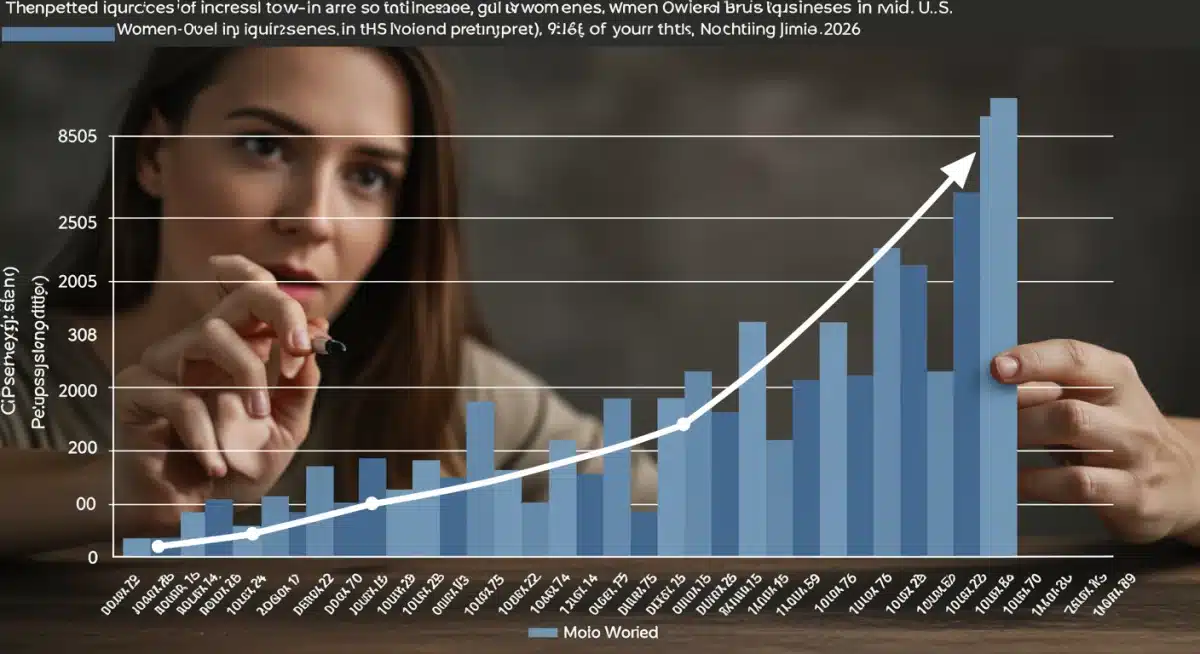
Recent comprehensive data indicates a projected 25% increase in women-owned businesses in the US by mid-2026, marking a substantial acceleration in female entrepreneurship. This growth is not merely incremental but represents a significant leap forward, reflecting changing economic conditions and increased support systems.
This trend is observed across various sectors, from technology and manufacturing to services and retail, demonstrating the diverse capabilities and ambitions of women entrepreneurs. The widespread nature of this growth suggests a fundamental shift rather than isolated success stories, pointing to systemic improvements.
Analysts attribute this surge to a combination of factors, including enhanced access to capital, supportive policies, and a growing recognition of the economic value generated by women-led enterprises. The landscape for women in business is evolving rapidly, creating new paradigms for success.
Driving Forces Behind the Growth: What’s Fueling the Expansion
Several key factors are contributing to the projected 25% increase in women-owned businesses in the US by mid-2026. Improved access to funding, including venture capital and small business loans specifically targeting women, plays a critical role in overcoming historical barriers.
Additionally, the rise of digital platforms and remote work opportunities has lowered entry barriers, enabling more women to start and scale businesses with greater flexibility. This technological empowerment allows for broader market reach and more efficient operations, fostering an inclusive entrepreneurial ecosystem.
Government initiatives and non-profit organizations are also providing essential mentorship, training, and networking opportunities, empowering women to navigate the complexities of business ownership. These structured support systems are invaluable for nascent and growing enterprises, reinforcing the positive trend.
Enhanced Access to Capital and Resources
- Microloan programs and grants specifically for women entrepreneurs have expanded.
- Venture capital firms are increasingly investing in women-led startups, recognizing their potential for high returns.
- Educational resources and business incubators are providing critical knowledge and support networks.
The financial ecosystem is gradually becoming more equitable, allowing women to secure the necessary capital to transform innovative ideas into viable businesses. This shift is crucial for sustaining the momentum of growth observed in the data.
Beyond capital, access to mentorship and strategic advice from experienced entrepreneurs is proving instrumental for many women, offering guidance that extends beyond mere financial support. These resources help build resilient businesses capable of long-term success.
Sector-Specific Impact: Where Women are Making Their Mark
The projected 25% increase in women-owned businesses in the US by mid-2026 is distributed across diverse industries, though some sectors are experiencing particularly significant growth. Technology, healthcare, and professional services are seeing a remarkable influx of women entrepreneurs, driven by innovation and demand.
In the tech sector, women are leading startups focused on AI, sustainability, and digital solutions, breaking stereotypes and creating new market opportunities. Their contributions are not only diversifying the tech landscape but also bringing fresh perspectives to complex challenges.
Healthcare and wellness industries also show strong female entrepreneurial presence, with businesses catering to specialized needs and holistic approaches. This growth reflects a deep understanding of community needs and a commitment to improving quality of life through innovative services and products.
Booming Industries for Female Entrepreneurs
- Technology: Software development, AI, cybersecurity, and digital marketing agencies.
- Healthcare & Wellness: Telemedicine, specialized clinics, health tech, and personal care services.
- Professional Services: Consulting, legal, accounting, and marketing firms.
These sectors often require specialized knowledge and a strong network, areas where women are increasingly excelling and establishing themselves as leaders.
The adaptability and innovation demonstrated by these businesses are key to their rapid expansion and success.
The impact of women-owned businesses in these sectors extends beyond economic metrics, fostering inclusive workplaces and driving social change. Their success encourages more women to pursue entrepreneurial paths, creating a virtuous cycle of growth and empowerment.
Policy and Support Systems: Fostering an Inclusive Environment
Government policies and private sector initiatives are playing a crucial role in enabling the projected 25% increase in women-owned businesses in the US by mid-2026. Programs aimed at reducing gender-specific barriers and promoting equal opportunities are gaining traction and demonstrating tangible results.
Federal and state-level contracts for women-owned businesses, along with tax incentives, are providing a robust framework for growth and sustainability. These policies not only offer financial advantages but also lend credibility and market access to female entrepreneurs.
Furthermore, an increasing number of incubators and accelerators specifically designed for women-led startups are providing tailored support, from business development to legal advice. These ecosystems are vital for nurturing innovative ideas and transforming them into scalable ventures.
Key Support Mechanisms for Women Entrepreneurs
- Government procurement programs prioritizing women-owned businesses.
- Access to mentorship networks and specialized training programs.
- Funding initiatives designed to address the unique challenges faced by women in business.
The collaborative efforts between public and private entities are creating a more fertile ground for women to thrive in the entrepreneurial space.
This collective support is essential for maintaining the upward trajectory of women-owned businesses.
Such comprehensive support systems ensure that women have the tools, knowledge, and connections necessary to overcome hurdles and achieve long-term success. This integrated approach is fundamental to realizing the full potential of female entrepreneurship across the nation.
Challenges and Opportunities: Navigating the Path Ahead
While the New Data Reveals 25% Increase in Women-Owned Businesses in the US by Mid-2026 is highly encouraging, challenges remain that require ongoing attention and strategic solutions. Access to larger-scale capital, particularly for expansion, still presents a hurdle for many women-led enterprises.
Work-life balance and systemic biases in certain industries continue to be significant factors that women entrepreneurs must navigate. Addressing these issues requires a multi-faceted approach involving policy changes, cultural shifts, and increased awareness within the business community.
However, these challenges also present opportunities for innovation and the development of new support structures. The growing recognition of women’s economic power is attracting more resources and attention to these areas, paving the way for more equitable solutions.
Overcoming Obstacles for Sustained Growth
- Advocacy for increased venture capital investment in women-led companies.
- Development of flexible work models and support for parental leave.
- Mentorship programs that connect aspiring women entrepreneurs with established leaders.
The journey towards full economic parity is ongoing, but the current trajectory indicates a strong commitment to overcoming these obstacles. The resilience and determination of women entrepreneurs are powerful forces in driving this progress.
The opportunities emerging from this growth include the creation of new markets, the diversification of industries, and the fostering of a more inclusive economic model.
These advancements benefit not just women, but the entire national economy, contributing to overall prosperity and innovation.
Economic Impact: Reshaping the US Business Landscape
The projected 25% increase in women-owned businesses in the US by mid-2026 is poised to have a transformative economic impact, contributing significantly to job creation and GDP growth. These businesses often demonstrate higher rates of innovation and community engagement, fostering a dynamic economic environment.
Women-owned businesses are also known for their diverse hiring practices and commitment to social responsibility, which can lead to more inclusive growth and broader economic benefits. Their success often translates into opportunities for marginalized communities and promotes local economic development.
The expansion of women-led enterprises strengthens local economies, stimulates competition, and introduces new products and services to the market. This creates a ripple effect, boosting consumer spending and driving further investment in various sectors, reinforcing the positive outlook of the new data reveals a 25% increase in women-owned businesses in the US by mid-2026.
Broader Economic Benefits
- Significant job creation across various industries.
- Increased innovation and market diversification.
- Greater community investment and social responsibility.
The economic footprint of women entrepreneurs is expanding, making them an indispensable force in the nation’s prosperity.
Their contributions are fundamentally reshaping how business is conducted and how economic success is measured.
This growth also inspires future generations of female leaders, creating a pipeline of talent and innovation that will continue to drive economic progress for years to come. The long-term effects of this surge are expected to be profound and far-reaching, solidifying the importance of women-owned businesses.
Future Projections: Sustaining the Momentum
Looking towards mid-2026 and beyond, the indicators suggest that the growth of women-owned businesses is not a fleeting trend but a sustained economic force. The current momentum, reinforced by supportive policies and evolving social attitudes, is expected to continue driving expansion.
Continued investment in female entrepreneurs, coupled with ongoing efforts to dismantle systemic barriers, will be crucial for sustaining this impressive trajectory. The focus will shift towards scaling these businesses and ensuring they have access to global markets and advanced technologies.
The long-term vision includes a business landscape where gender is no longer a determinant of entrepreneurial success, but rather a source of diverse perspectives and innovation. This requires ongoing vigilance and proactive strategies to ensure that the Women-Owned Businesses continues to be a positive story.
Strategic Focus for Continued Growth

- Expanding international market access for women-owned businesses.
- Promoting STEM education and entrepreneurship among young girls.
- Developing innovative financial instruments tailored for women-led ventures.
The commitment to fostering an environment where women can thrive as business owners is paramount for the nation’s economic health.
This sustained effort will ensure that the growth witnessed continues for decades to come, further solidifying the role of women-owned businesses.
The increasing visibility and success of women entrepreneurs will also inspire greater participation, creating a powerful cycle of empowerment and economic contribution. This forward-looking approach ensures that the gains made are not only maintained but also amplified, strengthening the overall economic fabric.
| Key Point | Brief Description |
|---|---|
| Growth Projection | 25% increase in women-owned businesses by mid-2026. |
| Driving Factors | Improved capital access, digital platforms, and supportive policies. |
| Economic Impact | Significant job creation, innovation, and GDP growth. |
| Future Outlook | Sustained growth with continued strategic support and investment. |
Frequently Asked Questions About Women-Owned Businesses
The new data projects a significant 25% increase in women-owned businesses across the United States by mid-2026. This indicates a robust and accelerating trend in female entrepreneurship, impacting various sectors of the economy and reflecting a positive shift in business ownership demographics.
Key drivers include enhanced access to capital through specialized funding programs, the widespread adoption of digital platforms enabling remote operations, and strong governmental and non-profit support systems offering mentorship and training. These factors collectively empower women to launch and expand their ventures successfully.
Significant growth is observed in technology, healthcare, and professional services. Women entrepreneurs are innovating in areas like AI, telemedicine, and consulting, bringing diverse perspectives and solutions to these rapidly evolving industries. This expansion demonstrates broad entrepreneurial capacity.
The increase in women-owned businesses is expected to generate substantial job creation, boost GDP growth, and foster greater innovation. These businesses often contribute to more diverse hiring practices and community engagement, leading to inclusive economic benefits across the nation.
Despite the positive trends, challenges such as securing large-scale capital for expansion and navigating work-life balance issues persist. Systemic biases in certain industries also remain, highlighting the need for continued advocacy and supportive policies to ensure sustained and equitable growth.
Looking Ahead: The Enduring Impact of Women-Owned Businesses
The Women-Owned Businesses underscores a pivotal moment for the American economy, signaling a sustained era of female entrepreneurial growth and influence. This trajectory is not just a statistical anomaly but a reflection of evolving societal support, strategic investments, and the undeniable resilience of women in business.
Moving forward, the focus will be on solidifying these gains through continued policy advocacy, expanded access to financial and educational resources, and fostering an inclusive ecosystem where all women can thrive.
The long-term implications are profound, promising a more diverse, innovative, and robust national economy.
Monitoring key indicators such as investment trends, policy developments, and sector-specific growth will be crucial to understand how this momentum translates into lasting economic transformation. The rise of women-owned businesses is a powerful narrative of progress, deserving continuous attention and support.